
July 15, 2026
Importance of Regular Dental Checkups Dfw TX: How Routine Visits Protect Your Smile and Comfort
You take better care of your overall health when you keep up with regular dental checkups, and that care matters especially in DFW where convenient, modern practices make prevention easy to schedule. A routine visit catches small problems early, prevents costly treatments, and keeps your smile healthy and comfortable.
They explain what to expect during a typical checkup, show how new technology and patient-focused comfort reduce anxiety, and offer personalized plans that fit your lifestyle. You’ll learn how routine visits save time and money, simple habits to protect your teeth between appointments, and how to connect with local DFW dentists who prioritize your comfort and goals.
Why Dental Checkups Matter
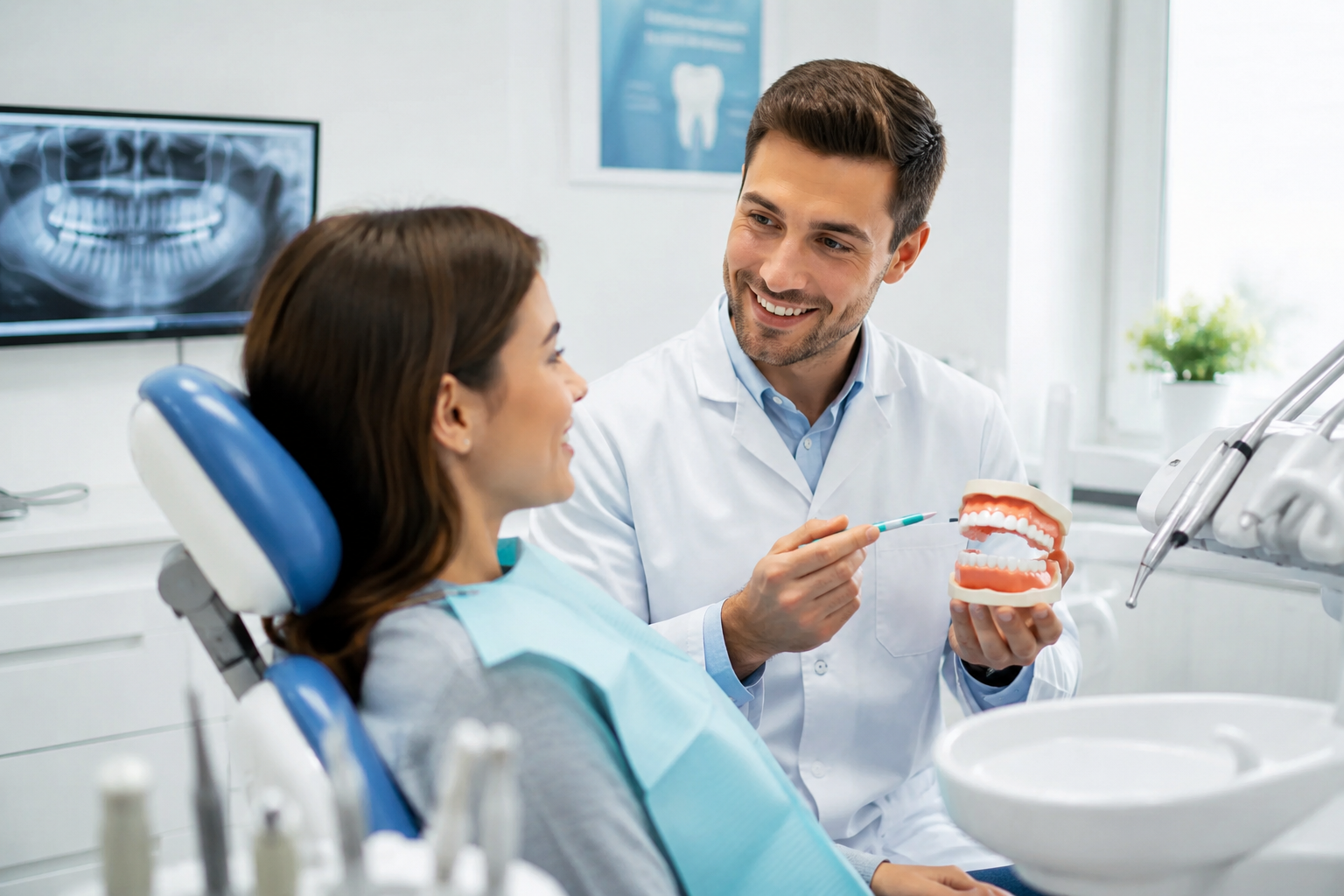
Regular dental visits keep teeth, gums, and overall oral health on track by catching problems early, removing harmful buildup, and guiding personalized home care. They also link oral health to conditions like diabetes and heart disease, so timely care matters beyond the mouth.
Preventing Tooth Decay and Gum Disease
Dental cleanings remove plaque and tartar from hard-to-reach spots that brushing and flossing miss. Plaque mineralizes into tartar within 24–72 hours in some people; only a hygienist can safely remove it.
Fluoride treatments and sealants applied during visits strengthen enamel and reduce new cavities, especially on chewing surfaces. For patients with high sugar intake or dry mouth, dentists recommend targeted strategies: prescription fluoride, more frequent cleanings, or salivary testing.
Periodontal screening measures pocket depth and bleeding; early signs like 3–4 mm pockets or bleeding on probing prompt scaling and root planing. Treating gingivitis early prevents progression to periodontitis, which can cause bone loss and tooth mobility.
Early Detection of Dental Issues
Dentists use visual exams, dental X-rays, and intraoral cameras to find problems before pain appears. X-rays reveal interproximal decay, impacted teeth, cysts, and early bone changes that aren’t visible externally.
Early-stage cavities can often be treated with small fillings; advanced decay may require root canals or extractions. Detecting a cracked tooth or failing restoration early saves tooth structure and reduces cost.
Oral cancer screenings check for lesions, red or white patches, and persistent ulcers; prompt biopsy referral increases treatment options. Systemic signs—like unusual gum bleeding or dry mouth—trigger medical collaboration when necessary.
Protecting Long-Term Oral Health
Routine checkups create a record of changes and let clinicians tailor preventive plans over time. Risk-based scheduling—three, four, or six months—matches care to each patient’s needs, improving outcomes.
Maintenance visits support prosthetics and restorations: crowns, bridges, dentures, and implants require periodic checks to ensure fit, function, and tissue health. Early adjustment prevents complications such as peri-implantitis or crown fracture.
Education during visits helps patients adopt effective habits: correct brushing technique, interdental cleaning tools selection, and dietary adjustments to lower erosion risk. When patients follow personalized guidance, they preserve natural teeth and reduce the need for invasive treatments.
Personalized Care From DFW Dental Professionals
DFW dental teams focus on tailored treatment, clear communication, and age-appropriate support so each patient receives the right preventive and restorative care. They prioritize comfort, modern technology, and treatment plans that fit a patient’s schedule and budget.
Tailoring Treatment to Individual Needs
DFW dentists begin with a thorough intake: medical history, current medications, and specific concerns such as sensitivity, bleeding gums, or cosmetic goals. Digital X-rays and intraoral photos help pinpoint issues accurately and reduce guesswork.
Treatment plans list priorities, timelines, and costs. For example, a patient with chronic gum inflammation might get a scaling plan, a short course of antibiotics if indicated, and a schedule for periodontal maintenance every 3 months. Cosmetic requests—whitening, veneers—are proposed only after ensuring oral health is stable.
Clinics often offer flexible financing, same-day restorative options like CEREC crowns, and referrals to specialists (periodontists, endodontists, oral surgeons) when more complex care is needed. Follow-up visits track healing and adjust care as needed.
Building Trust With Your Dentist
DFW dentists build trust by explaining options in plain language and showing before-and-after photos from real cases. They encourage patients to ask about risks, alternatives, and expected recovery times so decisions reflect personal priorities.
Clinicians use chairside demonstrations, models, and visual aids to explain procedures like root canals or implant placement. They also document consent and provide written aftercare instructions to reduce anxiety and improve outcomes.
Many practices assign a care coordinator who answers billing questions, schedules follow-ups, and coordinates specialist visits. This single point of contact increases transparency and helps patients feel supported throughout treatment.
Support for All Ages and Stages
Pediatric patients receive behavior-friendly care: shorter appointment windows, fluoride varnish, sealants, and growth monitoring for early orthodontic referral. Staff communicate with parents about home care and diet strategies to prevent decay.
Adults benefit from routine preventive care, periodontal risk assessments, and options for cosmetic or restorative upgrades. For patients with sleep apnea, some DFW offices offer appliance therapy and coordinate sleep studies when indicated.
Seniors get medication reviews, denture maintenance, and screenings for dry mouth or root decay. Practices often provide wheelchair access, longer appointment times, and home-care plans for patients with limited mobility.
If someone wants to schedule a consult or ask about specific treatments, the dental team in DFW welcomes questions and can set up an appointment to review individualized options.
How Routine Checkups Save You Time and Money
Routine dental visits prevent small issues from growing into costly procedures and reduce urgent, last-minute appointments. Patients save on treatment costs, avoid missed work, and maintain predictable care schedules.
Catching Problems Before They Get Worse
During a routine checkup, the dentist inspects teeth, gums, and existing restorations for early signs of decay, gum disease, or cracked fillings. Detecting a small cavity allows for a simple composite filling that typically takes one visit and costs a fraction of a root canal or crown later on.
The hygienist removes plaque and tartar that home care can miss, lowering the chance of periodontal treatment. Early periodontal therapy—scaling and root planing—usually requires fewer appointments and less expensive maintenance than advanced gum surgery.
Digital X-rays and intraoral cameras identify issues beneath the surface, like interproximal decay or bone loss, before symptoms appear. Early detection also shortens treatment timelines, which minimizes time off work and reduces cumulative expense.
Reducing the Need for Emergency Visits
Regular exams cut the risk of sudden tooth pain or infection that leads to emergency appointments. Emergency endodontic care or extractions often occur outside normal hours and can incur higher fees and faster scheduling, disrupting daily life.
Preventive care replaces urgent interventions with planned treatments arranged around the patient’s schedule. For example, replacing a failing filling during a regular visit avoids a fractured tooth that might require a crown or implant.
Routine maintenance preserves restorations and orthodontic work, reducing replacement frequency. That predictable care translates to steady, manageable out-of-pocket costs instead of unexpected large bills.
- Financial tip: verify insurance preventive benefits and schedule twice-yearly cleanings to maximize coverage.
- Time tip: book follow-ups at the end of the workday to avoid missing work if appointments run long.
Comfort and Technology in Modern Dental Visits
Modern dental visits focus on reducing discomfort and improving outcomes through gentler techniques and clearer diagnostics. Patients benefit from faster appointments, fewer surprises, and care tailored to their needs.
Minimally Invasive Techniques
Dentists in DFW increasingly use techniques that preserve healthy tooth structure and reduce recovery time. For cavities, they rely on adhesive composite fillings and air abrasion instead of full drilling when possible, which removes less enamel and often requires less anesthesia.
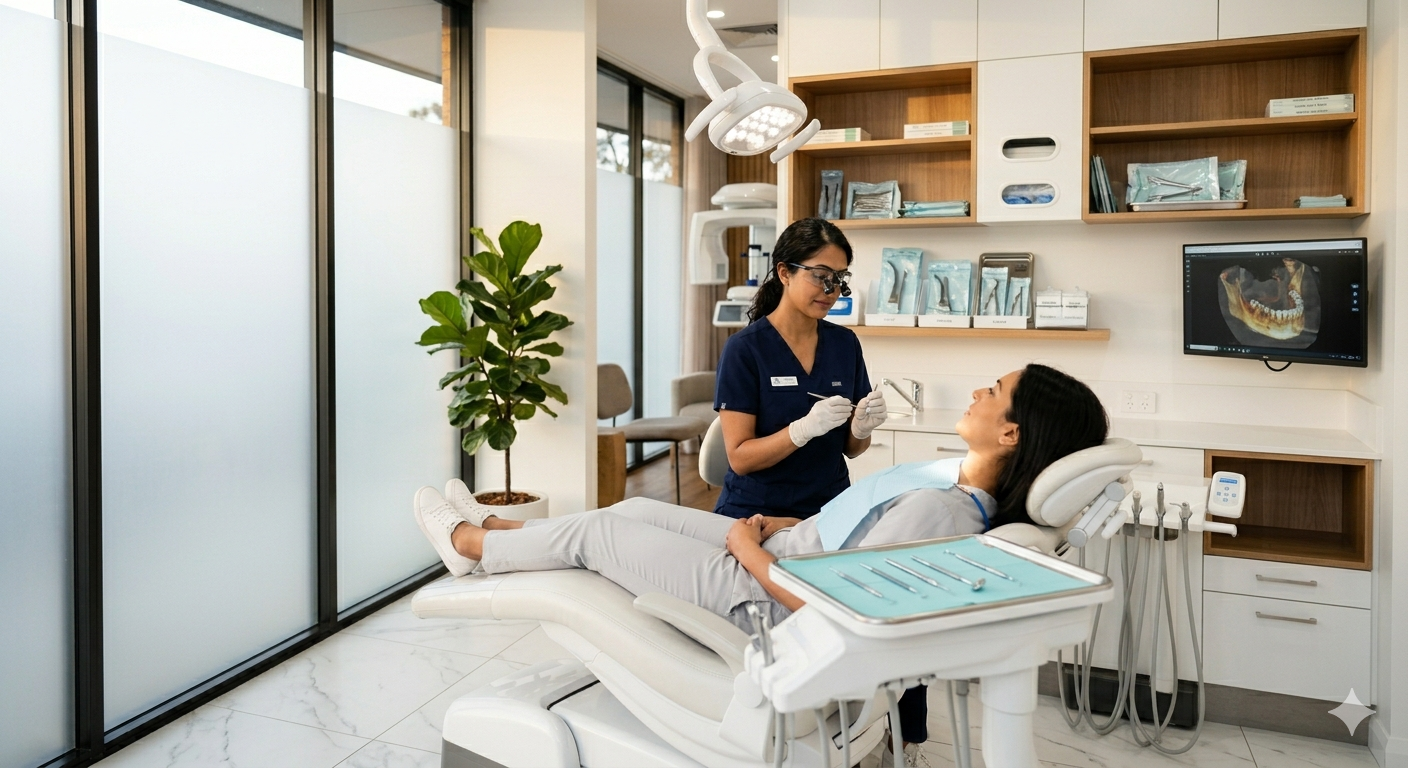
For root canal therapy and restorative work, rotary instruments and magnification (loupes or microscopes) let clinicians target only affected areas. Laser-assisted procedures help with soft-tissue shaping and gum disease treatment, lowering bleeding and swelling and speeding healing.
Sedation options also reduce anxiety: nitrous oxide for mild calming, oral sedatives for moderate anxiety, and IV sedation for complex cases. These choices let patients remain comfortable while clinicians work precisely, minimizing follow-up pain and lowering the chance of complications.
Digital Imaging and Accurate Diagnosis
Digital X-rays and cone-beam CT (CBCT) give high-resolution images with far less radiation than older film systems. Dentists use these images to spot hidden decay, bone loss, impacted teeth, and precise root anatomy before treatment planning.
Intraoral scanners create 3D models of teeth in minutes, eliminating messy impressions and producing more accurate crowns, bridges, and aligners. These scans integrate with CAD/CAM systems so same-day crowns are possible in many DFW practices.
Software tools assist diagnosis and patient education by overlaying images, measuring bone levels, and simulating treatment outcomes. This clarity helps patients understand options and consent to care with confidence.
What to Expect During a Typical Checkup
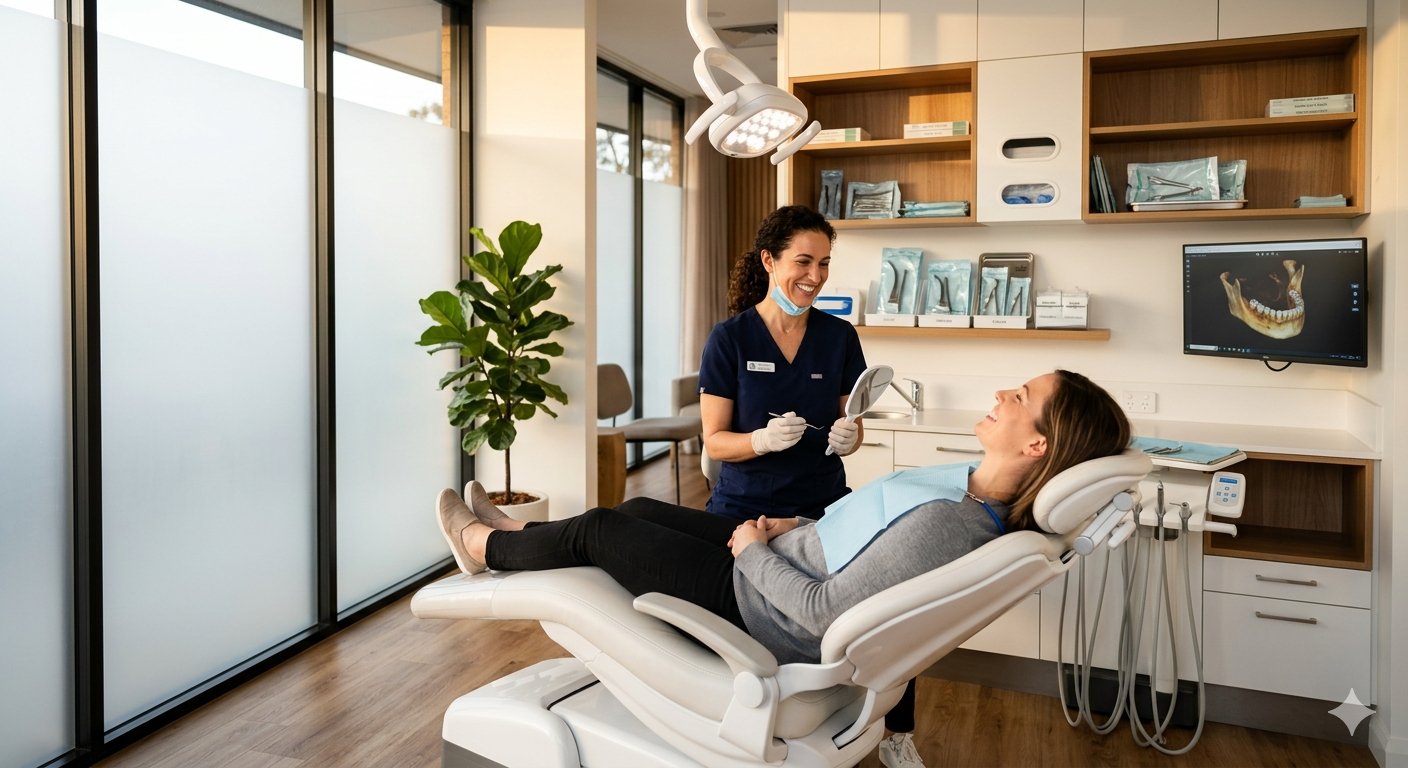
Appointments usually last 30–60 minutes and focus on cleaning, oral health screening, and personalized advice. Patients can expect a mix of hands-on care and clear explanations about findings and next steps.
Thorough Cleaning and Exam
A dental hygienist first removes plaque and tartar with scaling instruments and an ultrasonic scaler, paying close attention to gumlines and between teeth. They polish teeth to remove surface stains and apply fluoride when indicated to strengthen enamel.
The dentist then performs a visual and tactile exam, checking for cavities, worn fillings, gum recession, and signs of oral cancer. Digital X-rays or intraoral photos may be taken to reveal decay between teeth, bone loss, or issues below the gumline.
Periodontal probing measures pocket depths around each tooth to assess gum health and guide treatment planning. If they find active disease, the office will explain options such as deeper cleaning (scaling and root planing) or referral for specialist care.
Professional Advice for At-Home Care
After the exam, the clinician reviews hygiene habits and recommends specific tools: a soft-bristled toothbrush, floss type (waxed or tape), interdental brushes for tight contacts, or a water flosser for implants. They demonstrate technique when needed and set achievable goals, for example, flossing once daily and brushing two minutes twice a day.
Dietary guidance targets reducing sugary snacks and acidic drinks that erode enamel; clinicians name common culprits like sports drinks and fruit juices. For patients with sensitivity, whitening concerns, or dry mouth, the dentist prescribes tailored products such as desensitizing toothpaste, physician-supervised whitening options, or saliva substitutes.
The team also outlines the recall interval—usually six months—or a customized schedule if risk factors exist, and documents findings in the patient chart for monitoring at subsequent visits.
Healthy Habits Between Visits
Daily home care and timely responses to problems keep teeth and gums healthy between appointments. Small, consistent actions — the right brushing and flossing routine plus knowing when to call the dentist — prevent most issues from becoming emergencies.
Brushing and Flossing Tips
Brush twice daily for two minutes using a soft-bristled brush and a fluoride toothpaste. Hold the brush at a 45° angle to the gum line and use gentle circular motions; avoid vigorous back-and-forth scrubbing that can wear enamel and recede gums.
Floss once a day, sliding the floss gently up and down each tooth and curving it into a C-shape against the tooth surface. If traditional floss is difficult, try interdental brushes or a water flosser; choose a product sized for the spaces between the reader’s teeth.
Replace a toothbrush every three months or sooner if bristles fray. Use a pea-sized amount of toothpaste for adults and a smear for children under three. For additional protection, a fluoride mouthrinse at night can help prevent decay for those at higher risk.
Recognizing When to Call Your Dentist
Contact the dentist promptly for persistent pain, swelling, or bleeding that lasts more than 24–48 hours. These symptoms can indicate infection, an abscess, or advancing gum disease and usually require professional evaluation and treatment.
Call if a crown, filling, or denture becomes loose or breaks, or if a tooth is knocked out or fractured. Temporary measures (like over-the-counter pain relief or a cold compress) may help briefly, but the dentist needs to assess and restore function to avoid further damage.
Also report changes in bite, new sensitivity to hot or cold that won’t subside, or a sore that doesn’t heal within two weeks. Early intervention often allows less invasive treatment and preserves more of the natural tooth.
Connecting With Local DFW Dentists
Patients in the DFW area can find dental offices that match their needs by checking credentials and patient reviews. Look for dentists who list state licensure, continuing education, and professional memberships to ensure up-to-date care.
Many practices offer online booking, virtual consultations, and patient portals for records and reminders. These tools make scheduling checkups and follow-ups more convenient for busy households.
A quick comparison table helps narrow choices:
| Feature | Why it matters |
|---|---|
| Weekend or evening hours | Easier to fit appointments around work and school |
| New-patient specials or financing | Reduces cost barriers to starting care |
| Sedation or comfort options | Helpful for anxious patients or complex procedures |
| In-network with insurer | Lowers out-of-pocket costs for many families |
They should call or visit websites to confirm services like cleanings, X-rays, emergency care, and pediatric dentistry. Asking about COVID-19 protocols, sterilization procedures, and office accessibility can provide added reassurance.
Local dental associations and community health centers can recommend reputable providers when insurance is limited or a specialist is needed. Word-of-mouth from neighbors, coworkers, and online community groups also points to reliable, patient-focused practices.
Encourage the reader to schedule a preventive visit within a few months if it’s been a while. A simple appointment can prevent bigger problems and keep smiles healthy.
Taking the Next Step Toward Your Smile Goals
Patients often feel uncertain about when to schedule their next visit, and a quick phone call or online booking makes it simple. The dental team will review medical history, discuss any concerns, and recommend a personalized care plan.
They may suggest preventive visits every six months or more frequent appointments for specific needs. Treatments can range from routine cleanings and fluoride applications to cosmetic options like whitening or veneers.
Cost and insurance questions are common; the office can provide transparent estimates and discuss payment options. Many practices offer financing or membership plans to make care manageable.
A comfortable first visit sets the tone: staff explain each step, use gentle techniques, and answer questions in plain language. Patients who feel heard and informed are more likely to follow through with recommended care.
Next steps checklist:
- Call or book online for an initial consultation.
- Bring insurance information and a list of medications.
- Note any symptoms or aesthetic goals to discuss.
Encourage readers to ask about sedation, modern technology like digital X-rays, and preventive strategies tailored to busy DFW lifestyles. They can contact the practice to schedule a visit, request a tour, or speak with a dental professional about the best path to their smile goals.
Frequently Asked Questions
Regular checkups catch small problems early, remove build-up that causes decay and gum disease, and give tailored advice about brushing, flossing, diet, and restorative options.
How often should you schedule a dental checkup if you feel like everything is fine?
Most adults should see a dentist every six months for an exam and cleaning.
Patients with a history of gum disease, heavy restorations, diabetes, or smoking may need visits every three to four months.
What problems can a dentist spot early during a routine exam that you might miss at home?
Dentists detect early cavities between teeth, tiny enamel cracks, and initial gum recession that a mirror and floss often miss.
They also spot signs of oral cancer, bite problems, and wear from grinding before symptoms become severe.
Do dental cleanings really help prevent gum disease and bad breath, or are they mostly cosmetic?
Professional cleanings remove tartar below the gumline that toothbrushes and floss cannot eliminate.
This lowers bacteria levels, reduces inflammation, and significantly reduces both gum disease progression and chronic bad breath.
What should you expect during a typical dental checkup and cleaning, and will it hurt?
A typical visit includes an oral exam, X-rays if needed, tartar removal with an ultrasonic scaler, and polishing.
Most patients feel mild pressure or vibration; providers use numbing for sensitive areas and explain comfort options beforehand.
What is the 3-3-3 rule in dentistry, and how can it help you keep your teeth healthier between visits?
The 3-3-3 rule means brushing three minutes, three times a day, with fluoride toothpaste and replacing your toothbrush every three months.
Following it improves fluoride exposure, removes plaque more effectively, and prevents bristle wear that reduces cleaning efficiency.
Are there any drinks that help reduce mouth bacteria, and what should you avoid to protect your teeth?
Plain water and unsweetened green or black tea can help rinse bacteria and reduce acidity in the mouth.
Avoid sugary sodas, sports drinks, and acidic beverages like fruit juices and energy drinks, which increase decay and erode enamel.


Abby Newhouse
Recent Articles
07/23/2026
Benefits of Dental Implants in DFW, TX: A Patient-Friendly Guide
Missing teeth can affect much more than a smile. They can make it harder to chew favorite foods, change the way a person speaks, and even influence confidence in social...
06/23/2026
Family Dentist DFW TX — Gentle, Expert Care for Every Age and Smile
You will find practical, family-focused dental care across DFW that balances gentle preventive care with modern restorative options tailored to every age. A trusted family dentist in DFW offers routine...
06/23/2026
Affordable Dental Care Dfw TX — Comfortable, Affordable Treatments and Preventive Tips from Your Neighborhood Dentist
You’ll find practical ways to get affordable dental care across the DFW area without sacrificing quality or safety. Local clinics, community programs, sliding-fee plans, and modern low-cost treatment options make...
05/16/2026
Wisdom Teeth Removal Dfw TX: Gentle, Expert Care and Recovery Guidance
Thinking about wisdom teeth removal in DFW, TX can feel overwhelming, but clear options and friendly local care make the path straightforward. If wisdom teeth are causing pain, crowding, recurrent...

05/07/2026
Oral Surgery Practice Dfw TX: Caring, Comfortable Solutions for Your Smile
If someone in DFW, TX, needs oral surgery, finding a trusted practice that combines skill with patient comfort is key. Oral surgery covers a range of treatments, from wisdom tooth...
04/21/2026
Wisdom Teeth Removal Dfw TX: Gentle Care and Modern Solutions for Your Comfort
Wisdom teeth removal is a common dental procedure many in the DFW area face, often during late teens or early adulthood. It’s important to understand that removing wisdom teeth can...