
April 21, 2026
Wisdom Teeth Removal Dfw TX: Gentle Care and Modern Solutions for Your Comfort
Wisdom teeth removal is a common dental procedure many in the DFW area face, often during late teens or early adulthood. It’s important to understand that removing wisdom teeth can prevent pain, infection, and alignment problems before they start.
Many people worry about the discomfort or recovery time, but modern techniques in DFW make the process smoother and recovery quicker than in the past. Local dentists focus on patient comfort and use up-to-date methods to ease anxiety and ensure safe removal.
For those wondering if it’s time to see a dentist about wisdom teeth, regular checkups can catch potential issues early. Getting personalized advice from a trusted DFW dental expert helps make a confident, informed choice about removal.
Understanding Wisdom Teeth
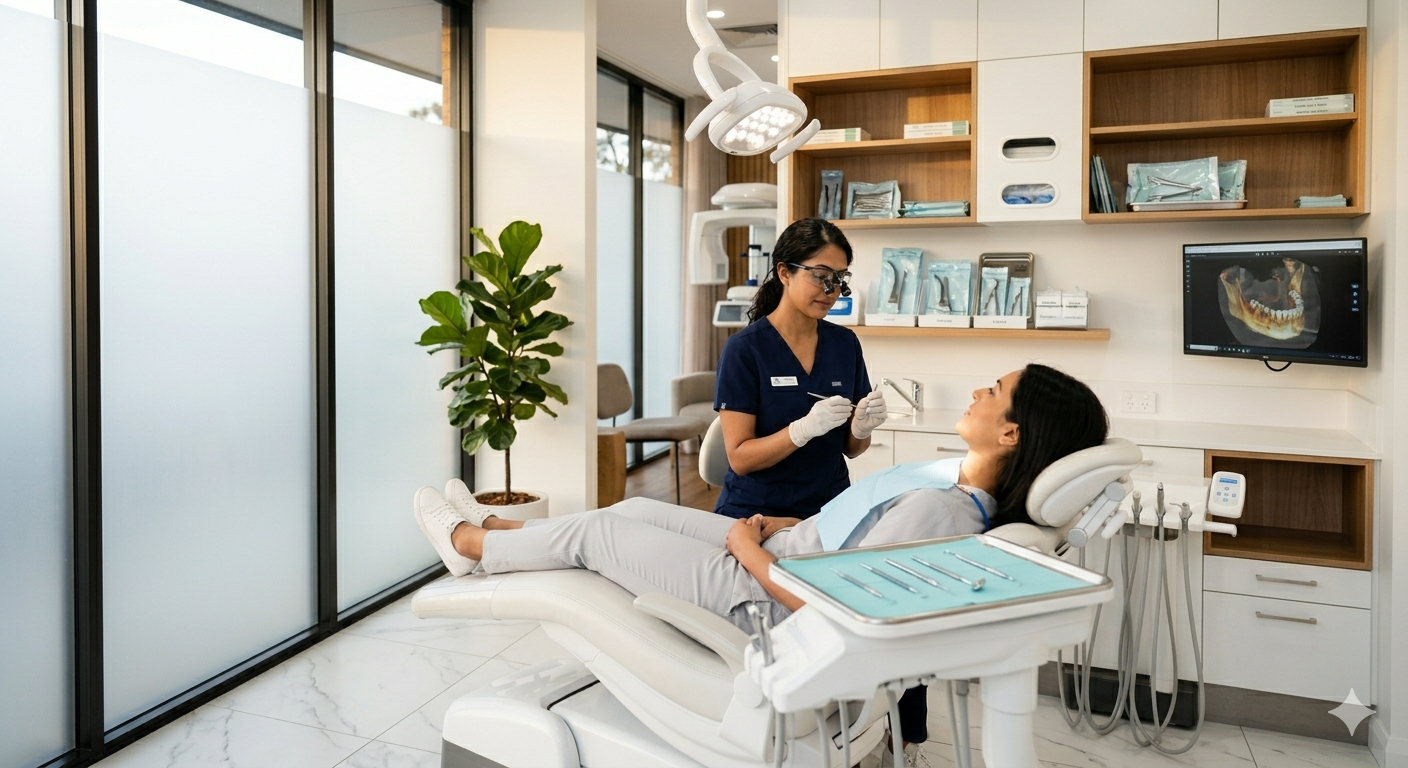
Wisdom teeth are the last set of molars that most adults develop. Their arrival often raises concerns about pain, alignment, and oral health, which is why knowing the basics can help patients feel more prepared.
What Are Wisdom Teeth?
Wisdom teeth, also known as third molars, are the final teeth to develop in the mouth. Usually, people have four wisdom teeth—one in each corner of the mouth—though some may have fewer or none.
These teeth originally helped ancestors chew coarse, tough foods. Today, however, many mouths don’t have enough space to accommodate them, making them prone to problems like crowding or impaction. Monitoring wisdom teeth growth helps dentists decide if they need removal to avoid complications.
Typical Age for Emergence
Wisdom teeth generally emerge between the ages of 17 and 25. This range can vary widely; some individuals see their wisdom teeth develop earlier or much later.
The timing is significant because it often overlaps with late adolescence or early adulthood—a period when people transition from pediatric to adult dental care. Regular dental checkups during this time help catch any potential issues early.
Why Wisdom Teeth Cause Issues
Wisdom teeth frequently cause problems because jaws may not have enough space to fit them properly. This lack of room can lead to impacted teeth, which are trapped under the gums or against other teeth.
Common issues include pain, swelling, infection, and damage to nearby teeth. Misaligned wisdom teeth can also cause crowding or bite problems. Early evaluation by a dental professional can help manage or prevent these complications comfortably.
Signs You May Need Removal
Knowing when wisdom teeth are causing problems can prevent discomfort and more serious dental issues. Common signs point to potential trouble, while delaying care may increase risks. Dentists use specific methods to determine if extraction is necessary.
Common Symptoms to Watch For
Pain or discomfort at the back of the mouth is often one of the first signs. This might feel like soreness around the gums where the wisdom teeth are growing.
Swelling, redness, or tenderness in the gum tissue can indicate inflammation or infection. You might also notice difficulty opening the mouth or chewing properly.
Other symptoms include bad breath, a bad taste in the mouth, or headaches linked to pressure from impacted teeth. Not all wisdom teeth cause symptoms, but persistent issues should be evaluated.
Risks of Delaying Treatment
Ignoring problematic wisdom teeth can cause infections, damage to nearby teeth, and gum disease. Impaction may lead to cysts or tumors around the tooth, affecting jawbone health.
Crowding can shift healthy teeth out of alignment, complicating bite and oral hygiene. Inflammation that isn’t treated can become chronic, increasing pain and swelling.
Delays also make surgery more difficult, with longer recovery times and higher chances of complications. Early removal often reduces these risks and improves healing.
How Dentists Diagnose Problems
Dentists rely on clinical exams and detailed X-rays to check the position and health of wisdom teeth. Panoramic dental X-rays show how teeth relate to the jawbone and nerves.
They look for signs of impaction, infection, decay, and how much space the teeth have to emerge properly. Regular check-ups help catch potential issues before symptoms start.
If a problem is detected, the dentist will explain the options clearly, focusing on patient comfort and the best timing for treatment.
Modern Approaches to Extraction
Wisdom teeth removal today uses techniques designed to minimize discomfort and speed healing. The process is carefully tailored to each patient’s needs, with options that help manage pain and reduce risks. Advances in technology also make the procedure more precise and safer than ever.
How Procedures Are Performed
Modern wisdom teeth extractions usually start with a thorough dental exam and imaging to assess the teeth’s position. Surgeons often use small, precise instruments to gently loosen the tooth before removal. This approach reduces trauma to surrounding tissues.
In some cases, teeth may be divided into sections to make extraction easier, especially if they are impacted or shaped irregularly. The use of high-speed, controlled drills allows for safer bone removal when needed.
After the tooth is out, the area is cleaned thoroughly, and stitches may be placed to aid healing. The whole process is designed to be as efficient and gentle as possible.
Options for Anesthesia and Sedation
Patients can choose from several anesthesia methods depending on their comfort level and the complexity of the extraction. Local anesthesia numbs the immediate area, so the patient feels no pain but stays awake.
For those anxious about the procedure, sedation options like nitrous oxide (laughing gas) or oral sedatives provide relaxation without complete unconsciousness. In more involved cases, intravenous (IV) sedation or general anesthesia can be used.
Dentists and oral surgeons discuss all options ahead of time and tailor the choice to each patient’s needs. This helps keep the experience calm and stress-free from start to finish.
What Makes Today’s Techniques Safer
Safety in wisdom teeth extraction has improved significantly thanks to better imaging and surgical tools. 3D scans give a clear view of nerves and bone structure, helping avoid damage during surgery.
Minimally invasive tools reduce tissue trauma, lowering the risk of complications like infection or dry socket. Surgeons are trained to use these methods, which also speed up recovery times.
Postoperative care has also advanced, with clear guidelines on managing swelling and pain. Patients receive personalized instructions to support healing and prevent problems after the procedure.
Preparing for Your Appointment
Getting ready for a wisdom teeth removal appointment means knowing what to ask and how to prepare your body and mind. This helps reduce anxiety and sets clear expectations for a smoother experience.
Questions to Ask Your Dentist
Patients should clarify the type of anesthesia planned, whether local, sedation, or general. Understanding this helps them arrange transportation if necessary. They should also ask about the expected recovery timeline and pain management options.
Inquire about potential risks and how complications will be handled. It’s important to know if any special equipment or techniques will be used during the procedure. Asking about post-procedure care, like diet restrictions and activity limits, prepares patients to follow instructions properly.
Pre-Procedure Steps for Patients
Patients need to arrange reliable transportation to and from the appointment, especially if sedation is involved. It’s best to avoid eating or drinking for at least six hours before the surgery unless the dentist provides different instructions.
Wearing loose, comfortable clothing and avoiding makeup or jewelry is recommended. Preparing soft foods and ice packs for after the procedure can help manage discomfort. Hydration and rest are key before the appointment to promote healing and reduce stress.
Rest and Recovery Tips
Taking proper care after wisdom teeth removal speeds healing and reduces discomfort. Patients should focus on gentle mouth care, choosing the right foods, and managing pain effectively during recovery.
Caring for Your Mouth After Surgery
Keeping the extraction sites clean is critical but should be done carefully. Rinsing with warm salt water after 24 hours helps reduce bacteria without disturbing healing tissue. Avoid vigorous mouth rinses or spitting, which can dislodge blood clots and lead to dry socket.
Brushing teeth gently is important. Use a soft-bristled toothbrush and skip the surgical area for a few days. Ice packs applied intermittently during the first 48 hours reduce swelling by constricting blood vessels.
Foods to Eat and Avoid
Soft, cool foods are best in the initial days after surgery. Options like yogurt, mashed potatoes, smoothies, and scrambled eggs provide nutrition without irritating surgical sites. Hydration with water and non-acidic juices aids healing.
Avoid hard, crunchy, or spicy foods that can scratch or inflame extraction areas. Stay away from hot drinks and alcohol for at least the first 48 hours. Straws should be avoided since sucking can loosen blood clots.
Managing Discomfort at Home
Pain following wisdom teeth removal is common but manageable. Over-the-counter pain relievers like ibuprofen help reduce both pain and inflammation effectively. Follow dosing instructions carefully.
Elevating the head while resting minimizes swelling and throbbing. Some swelling and mild bleeding are normal but should steadily improve. If pain worsens or unusual symptoms appear, patients should contact their dentist promptly.
Preventing Future Dental Issues
Maintaining healthy teeth after wisdom teeth removal means focusing on specific habits and timely professional care. Good routines and regular checkups work together to keep the mouth free from infection or complications.
Routine Oral Hygiene Habits
After wisdom teeth removal, it’s vital to keep the mouth clean to avoid infection and promote healing. Patients should gently rinse with a saltwater solution starting 24 hours after surgery, rather than brushing immediately near the extraction site.
Brushing twice daily with a soft-bristled toothbrush helps remove plaque from the rest of the mouth. Flossing around the extraction site should wait until the area fully heals. Using an antibacterial mouthwash can prevent bacteria buildup but should be used only if recommended by the dentist.
Hydration and a balanced diet also support oral health. Avoiding sugary or sticky foods protects teeth from decay. Following these specific habits reduces the risk of dry socket, infection, and other complications long term.
When to Schedule Checkups
Regular dental visits are essential to monitor healing and overall oral health after wisdom teeth removal. The dentist typically schedules a follow-up within 1-2 weeks to check for proper healing and address any discomfort or infection.
After the initial healing phase, routine checkups every six months are important to catch issues like gum disease or decay early. These visits usually include x-rays to ensure no hidden problems remain.
Patients should contact their dentist immediately if they experience severe pain, swelling, or signs of infection. Timely appointments help prevent small issues from becoming serious and maintain a healthy smile.
Choosing Dental Professionals in DFW
Selecting the right dental professional for wisdom teeth removal in the Dallas-Fort Worth area means focusing on experience, patient care, and convenience. Finding a practice that matches both medical expertise and your comfort needs makes the process smoother and less stressful.
Qualities to Look For in a Provider
Providers should have specialized training in oral surgery or dentistry with a strong track record in wisdom teeth extraction. Look for credentials such as board certification or continuing education in oral surgery techniques.
Patient comfort is crucial. A good provider will explain the procedure clearly and offer sedation options to ease anxiety. Reviews often highlight how well a dentist listens and addresses concerns.
Technology matters too—practices using modern imaging (like 3D X-rays) provide more precise care. Finally, prompt emergency support is important in case complications arise after the procedure.
How to Find a Trusted Local Practice
Start by asking for recommendations from your regular dentist or trusted friends in DFW. Online platforms with verified patient reviews can also provide insights into reliability and bedside manner.
Visit practice websites to check for clear information on wisdom teeth removal steps and payment options. Scheduling a consultation helps gauge the team’s communication style and office environment.
A convenient location and flexible hours improve follow-up care accessibility. Confirm that your insurance is accepted and that the team explains costs upfront. This transparency helps avoid surprises and ensures a smoother experience.
Encouraging Your Dental Wellness Journey
Taking care of wisdom teeth is an important step in maintaining overall dental health. A dentist in DFW, TX, often guides patients through this process with care and expertise, making sure they feel comfortable every step of the way.
Regular check-ups help spot potential problems early. This means fewer surprises and simpler treatments. For many, timely wisdom teeth removal can prevent pain, infection, or crowding.
Patients are encouraged to keep a consistent dental routine. Brushing twice daily, flossing, and avoiding harmful habits like smoking support healing and long-term wellness. Modern dentistry offers gentle, effective methods that reduce discomfort and promote faster recovery.
Here are a few tips for a smoother journey:
- Ask questions during your visit to understand each step.
- Follow post-operative instructions carefully to avoid complications.
- Keep a balanced diet rich in vitamins to support healing.
Dental wellness is about partnership. When patients feel informed and cared for, they are more likely to stick with their treatment plan and maintain healthy smiles. Encouragement and support from your dental team in DFW can make all the difference in navigating wisdom teeth care with confidence.
Frequently Asked Questions
Many patients want to know about costs, sedation options, provider selection, appointment details, recovery, and possible complications. Understanding these points can help them feel more prepared and comfortable with the process.
How much does wisdom teeth removal typically cost in the Dallas–Fort Worth area, and what factors can change the price?
In DFW, wisdom teeth removal usually costs between $200 and $600 per tooth. Complexity, such as impacted teeth or surgical extractions, can increase the price.
Additional costs may come from anesthesia type or diagnostic imaging like X-rays. Insurance coverage and provider fees also affect the final cost.
What’s the difference between local anesthesia, nitrous oxide, and IV sedation for wisdom teeth removal, and how do I know what’s right for me?
Local anesthesia numbs only the area being treated while you stay awake. Nitrous oxide, also called laughing gas, relaxes you but allows you to remain conscious.
IV sedation puts you in a deeper, semi-conscious state. The choice depends on your anxiety level, procedure complexity, and medical history.
A dentist or oral surgeon will recommend the best option during your consultation.
How do I find a trustworthy, affordable wisdom teeth removal provider near me, and what should I ask at the consultation?
Look for licensed oral surgeons or dentists with experience and positive patient reviews in DFW. Check if they accept your insurance and offer transparent pricing.
At your consultation, ask about their sedation options, recovery support, complications rate, and follow-up care. Clear communication and comfort with the provider matter.
What should I expect on the day of my wisdom teeth removal appointment—from check-in to heading home?
You’ll arrive a little early to complete paperwork and discuss final details. Sedation or anesthesia will be administered before the procedure.
The extraction usually takes under an hour. Afterward, you’ll rest in a recovery area until the effects wear off, then get instructions before you go home.
How long does recovery usually take, and what are the best tips for swelling, pain control, and getting back to normal eating?
Recovery generally lasts about 3 to 7 days for most patients. Swelling peaks around day two and can be managed with cold compresses.
Take prescribed or over-the-counter pain medication as directed. Start with soft foods and gradually return to your regular diet as comfort allows.
Avoid strenuous activity and follow all care instructions to support healing.
What are the most common complications (like dry socket or infection), and when should I call the office for help?
Dry socket is the most frequent complication, causing pain if the blood clot becomes dislodged. Signs include intense pain a few days after surgery and bad taste or odor.
Infections may cause swelling, fever, or pus. If pain worsens, swelling increases, or you have a fever, contact your dentist or surgeon promptly.


Abby Newhouse
Recent Articles

07/23/2026
Benefits of Dental Implants in DFW, TX: A Patient-Friendly Guide
Missing teeth can affect much more than a smile. They can make it harder to chew favorite foods, change the way a person speaks, and even influence confidence in social...

07/15/2026
Importance of Regular Dental Checkups Dfw TX: How Routine Visits Protect Your Smile and Comfort
You take better care of your overall health when you keep up with regular dental checkups, and that care matters especially in DFW where convenient, modern practices make prevention easy...

06/23/2026
Family Dentist DFW TX — Gentle, Expert Care for Every Age and Smile
You will find practical, family-focused dental care across DFW that balances gentle preventive care with modern restorative options tailored to every age. A trusted family dentist in DFW offers routine...

06/23/2026
Affordable Dental Care Dfw TX — Comfortable, Affordable Treatments and Preventive Tips from Your Neighborhood Dentist
You’ll find practical ways to get affordable dental care across the DFW area without sacrificing quality or safety. Local clinics, community programs, sliding-fee plans, and modern low-cost treatment options make...

05/16/2026
Wisdom Teeth Removal Dfw TX: Gentle, Expert Care and Recovery Guidance
Thinking about wisdom teeth removal in DFW, TX can feel overwhelming, but clear options and friendly local care make the path straightforward. If wisdom teeth are causing pain, crowding, recurrent...

05/07/2026
Oral Surgery Practice Dfw TX: Caring, Comfortable Solutions for Your Smile
If someone in DFW, TX, needs oral surgery, finding a trusted practice that combines skill with patient comfort is key. Oral surgery covers a range of treatments, from wisdom tooth...