
May 7, 2026
Oral Surgery Practice Dfw TX: Caring, Comfortable Solutions for Your Smile
If someone in DFW, TX, needs oral surgery, finding a trusted practice that combines skill with patient comfort is key. Oral surgery covers a range of treatments, from wisdom tooth removal to dental implants, all aimed at improving dental health with care and precision. A quality oral surgery practice in DFW ensures effective treatment using modern techniques that focus on pain management and speedy recovery.
Patients often worry about what to expect, but experienced surgeons make sure every step is clear and as comfortable as possible. Whether it’s a simple extraction or more advanced procedures, personalized care and open communication help ease any anxiety. This approach helps patients feel confident and informed about their treatment choices.
For those in the Dallas-Fort Worth area, choosing an oral surgeon means looking for expertise and a friendly, patient-first environment. Asking questions, understanding options, and knowing what comes next can make all the difference. It’s worth reaching out to discuss individual needs and explore available services with a local specialist.
Understanding Oral Surgery Procedures
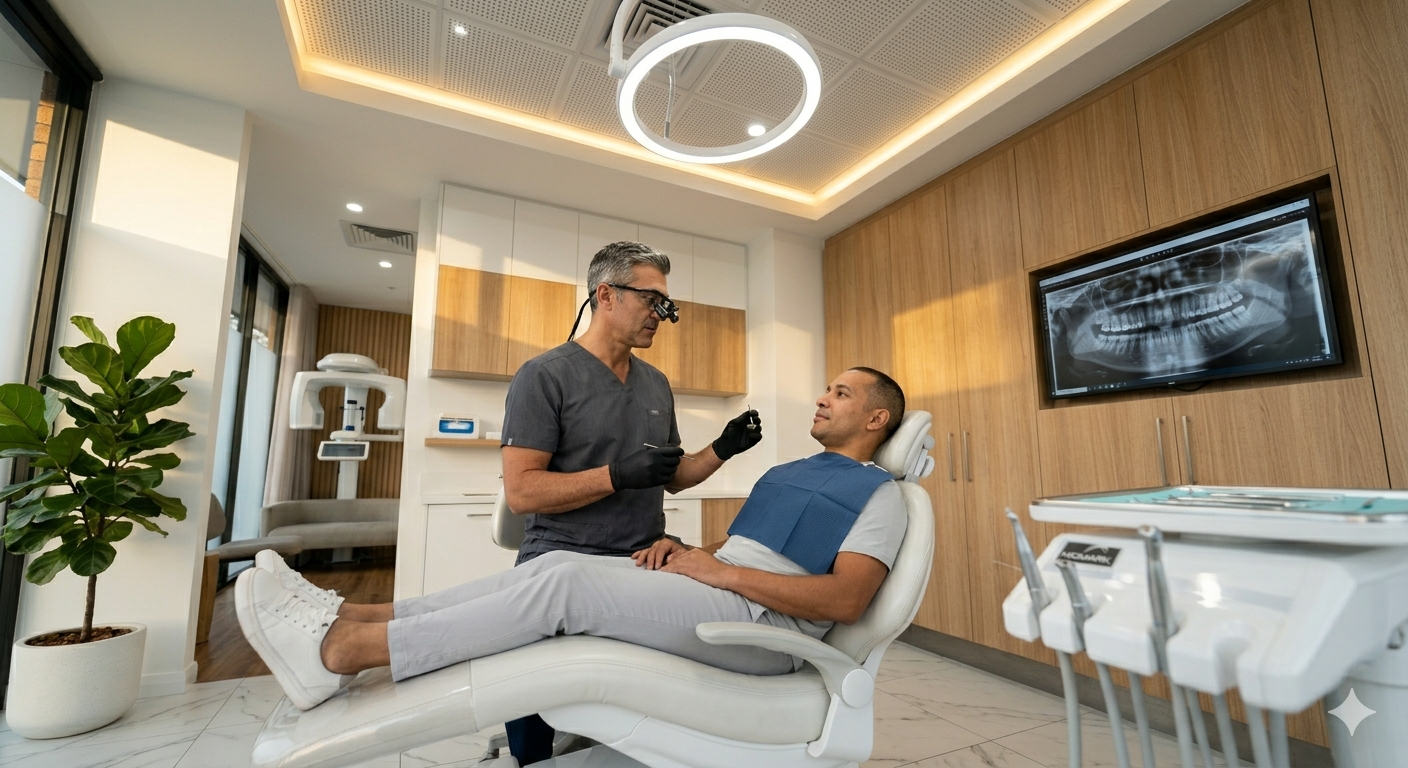
Oral surgery involves a range of treatments designed to address specific dental and facial issues. Patients often face questions about why surgery is needed, what types of procedures exist, and what the initial evaluation will involve. Clear information helps ease concerns and prepares patients for what to expect.
Common Reasons for Oral Surgery
Oral surgery is often necessary for problems that can’t be managed with regular dental care. Wisdom teeth removal is one of the most frequent reasons, especially when the teeth are impacted or cause pain.
Other common issues include jaw misalignment, chronic infections, cyst or tumor removal, and dental implant placement. Trauma from accidents requiring repair of facial bones also falls under oral surgery. Many patients seek these procedures to relieve pain, restore function, or improve oral health.
Types of Oral and Maxillofacial Treatments
Oral surgery covers various treatments focused on teeth, gums, jaws, and facial structures. Common procedures include:
- Tooth extractions: Removing damaged or problematic teeth, including wisdom teeth.
- Dental implants: Placing titanium posts to replace missing teeth.
- Bone grafting: Restoring bone loss to support healthy dental implants.
- Jaw surgery: Correcting misalignments for better bite and function.
- Biopsies and tumor removals: Diagnosing and treating oral abnormalities.
Each treatment is tailored based on the patient’s condition and aims to restore comfort and oral function.
What to Expect During Evaluation
During the initial evaluation, the surgeon reviews medical and dental history to understand health factors affecting treatment. Imaging tests like X-rays or 3D scans help assess the structure of teeth, bone, and surrounding tissues.
The surgeon also discusses symptoms, pain levels, and concerns. This meeting creates a clear treatment plan with details about the procedure, recovery time, and any special instructions. Patients are encouraged to ask questions to feel confident and informed before moving forward.
Choosing the Right Oral Surgeon in DFW
Selecting the right oral surgeon involves more than just finding someone nearby. It’s important to consider their expertise, credentials, and what past patients say about their care. These factors help ensure a comfortable experience and successful results.
Qualities of a Trusted Specialist
A trusted oral surgeon in DFW should demonstrate strong communication skills and genuine empathy. They take time to explain procedures clearly and address any concerns patiently. This helps reduce anxiety and builds confidence in the treatment plan.
Professionalism is key. The surgeon’s office should be clean, well-equipped with modern technology, and staffed by courteous personnel. Attention to detail in these areas reflects a commitment to high-quality care. Reliability and punctuality also matter, as consistent appointment timing shows respect for patients’ time.
Certification and Experience
Certification by the American Board of Oral and Maxillofacial Surgery signals that the surgeon has met rigorous standards. This includes completing advanced training and passing specialty exams. It guarantees they are qualified to handle complex oral procedures safely.
Experience counts, too. Surgeons who have performed many similar surgeries tend to have refined techniques that improve outcomes. Ask about the surgeon’s years in practice and the number of cases like yours they handle annually. This background helps ensure you receive skilled and knowledgeable care.
Patient Reviews and Recommendations
Reading reviews offers firsthand insight into a surgeon’s bedside manner and treatment effectiveness. Look for consistent positive feedback about comfort during surgery, clear explanations, and successful results. Pay attention to how the office staff interacts with patients, as warm, helpful service eases stress.
Recommendations from family, friends, or your general dentist are also valuable. Trusted sources sharing personal experiences can point you toward surgeons known for excellent care. Combining online reviews with word-of-mouth advice offers a well-rounded picture to guide your choice.
Patient-Focused Care and Comfort Options
DFW oral surgery practices prioritize patient comfort and tailor their approach to reduce anxiety and pain during procedures. They provide several sedation choices, customize treatment plans for each individual, and offer clear aftercare guidance to support healing at home.
Sedation Methods for a Stress-Free Experience
Patients can choose from various sedation options based on their anxiety level and procedure type. Nitrous oxide (laughing gas) is popular for reducing nervousness while keeping patients awake and responsive. It wears off quickly, allowing a fast recovery.
For more invasive procedures or higher anxiety, oral sedation or IV sedation may be recommended. Oral sedation involves taking a pill before surgery to promote relaxation, while IV sedation offers deeper calming effects controlled by the surgeon. Both methods ensure comfort and minimize memory of the procedure.
The surgical team monitors vital signs throughout to ensure safety. They also discuss sedation options during the consultation, explaining benefits and preparation steps so patients feel informed and at ease.
Personalized Treatment Plans
A trusted oral surgeon in DFW customizes every treatment plan to fit the patient’s unique dental needs and lifestyle. They begin with a thorough exam, including X-rays or 3D scans, to assess the exact condition.
Plans consider medical history, oral health goals, and comfort preferences. Whether it’s wisdom teeth removal, dental implants, or corrective jaw surgery, they outline each step clearly and adjust plans as needed.
This patient-centered approach helps reduce unexpected issues and builds trust. Patients receive tailored advice on pain management and procedure timing, making the experience smoother and more predictable.
Aftercare Support
Effective aftercare is crucial for healing and preventing complications. Oral surgery teams provide detailed instructions covering pain control, diet, oral hygiene, and activity restrictions.
They often supply or recommend medications such as prescribed pain relievers and antibiotics. Clear signs of normal versus concerning symptoms are outlined to help patients know when to seek follow-up care.
Some practices offer follow-up calls or visits to check progress and answer questions. This ongoing support reassures patients and encourages proper recovery, increasing overall satisfaction with their surgery experience.
Advanced Technology in Oral Surgery
Modern oral surgery practices in DFW, TX, rely on cutting-edge tools to improve accuracy, reduce discomfort, and speed healing. These innovations focus on detailed imaging and gentle techniques that respect patient comfort while enhancing outcomes.
Digital Imaging for Precise Diagnosis
Digital imaging has transformed how oral surgeons assess and plan treatments. Technologies like 3D cone beam computed tomography (CBCT) provide detailed views of teeth, bones, nerves, and soft tissues in a single scan. This level of detail helps surgeons pinpoint issues with precision.
Instead of guessing the location and condition of a problem, they see it in sharp, three-dimensional images. This reduces surprises during surgery and allows for tailored treatment plans, making procedures safer and more efficient.
Additionally, digital X-rays emit less radiation than traditional ones, which adds a safety benefit. Patients can understand their conditions better, as these clear visuals are easy to explain and review during consultations.
Minimally Invasive Techniques
Minimally invasive oral surgery focuses on reducing tissue damage, pain, and recovery time. Surgeons in DFW use smaller incisions and specialized instruments to reach problem areas without extensive cutting.
One example is flapless implant surgery, where implants are placed through tiny openings instead of large flaps of gum tissue. This method decreases bleeding, swelling, and healing time.
Laser technology also plays a role, allowing precise work on soft tissues with less discomfort and faster recovery. Patients often experience less need for pain medication and can return to normal activities sooner.
These techniques prioritize patient comfort and safety, making oral surgery less intimidating and more approachable for anyone needing care.
Preparing for Your Oral Surgery Appointment
Getting ready for oral surgery involves following specific steps that help ensure a smooth procedure and speedy recovery. Patients should know what to expect and bring important information to their appointment.
Pre-Operative Instructions
Patients are often advised to avoid eating or drinking for at least six hours before surgery, especially if sedation or general anesthesia will be used. This helps reduce risks during the procedure. Medications may need adjusting—some blood thinners must be paused, but only under the surgeon’s guidance.
It’s important to arrange transportation home, as driving after sedation isn’t safe. Wearing comfortable, loose clothing and leaving jewelry or contact lenses at home can make the visit more comfortable. Patients should also inform the surgeon about allergies, current medications, or any medical conditions.
Questions to Ask Your Surgeon
Clear communication improves confidence and comfort. Patients can ask about the type of anesthesia used, what to expect during the procedure, and estimated recovery time. Knowing possible side effects and pain management options helps with planning.
Asking how to care for the surgical site, dietary restrictions, and when to return for follow-ups is useful. It’s also wise to discuss emergency contacts if unusual symptoms appear after surgery. Being proactive with questions supports a smoother experience from start to finish.
Recovery and Post-Operative Care
Recovery after oral surgery in DFW, TX involves careful attention to managing pain, following eating and activity guidelines, and recognizing any signs that need immediate attention. These steps help ensure smooth healing and minimize complications.
Managing Discomfort and Healing at Home
Patients often experience swelling, mild pain, and some bruising after oral surgery. Applying ice packs to the affected area during the first 24 hours helps reduce swelling. Over-the-counter pain relievers like ibuprofen or acetaminophen are usually effective, but stronger medication may be prescribed depending on the procedure.
It’s important to keep the surgical site clean by gently rinsing with saltwater after 24 hours. Avoid vigorous rinsing or touching the area with fingers or tongue. Sticking to instructions about oral hygiene prevents infection and speeds healing.
Guidelines for Eating and Activity
Soft foods such as yogurt, mashed potatoes, and smoothies are best in the first few days. Patients should avoid hot, spicy, or crunchy foods that can irritate the surgical site. Drinking plenty of fluids is essential, but straws should be avoided to prevent dislodging blood clots.
Physical activity should be limited, especially strenuous exercise, for at least 48-72 hours. Rest helps the body focus on healing. Gradually, eating habits and activities can return to normal as comfort improves.
Signs to Watch for During Recovery
Patients need to monitor for excessive bleeding, severe pain that won’t improve with medication, or swelling that worsens after 3 days. Persistent numbness or fever over 101°F are also warning signs.
If any of these symptoms occur, contacting the oral surgeon immediately is necessary. Prompt attention can prevent complications such as infection or dry socket, protecting overall recovery and oral health.
Preventive Dentistry and Long-Term Oral Health
Taking care of teeth after oral surgery is vital for avoiding future problems and keeping a healthy smile. This involves mindful habits and proactive steps that support healing and protect oral health over time.
Preventing Future Concerns
Oral surgeons in DFW stress the importance of routine checkups and cleanings to catch issues early. After surgery, patients should follow specific care instructions to prevent infection and complications. This includes proper wound care and avoiding hard or sticky foods until healing is complete.
Using fluoride treatments and dental sealants when recommended can strengthen teeth and protect against decay. Regular X-rays help monitor bone health and catch any potential trouble spots early. Staying vigilant with these practices leads to fewer emergency visits and better long-term outcomes.
Maintaining Healthy Habits
Daily habits make a big difference in maintaining oral health long after surgery. Brushing twice a day with a soft-bristled toothbrush and flossing gently helps remove plaque without irritating sensitive areas.
Avoiding tobacco and limiting sugary snacks protects tissues and teeth from damage. Drinking water regularly keeps the mouth hydrated and aids saliva production, which naturally defends against bacteria.
Patients should also communicate openly with their dental team about any discomfort or changes. This teamwork builds a strong foundation for long-lasting oral wellness.
Insurance, Payment, and Accessibility
Navigating insurance and payment options can feel confusing, but clear information helps patients make informed decisions. Flexible funding choices and understanding insurance coverage play a big role in accessing oral surgery care without stress.
Understanding Coverage Options
Oral surgery practices in DFW often accept a range of insurance plans, including PPOs and some HMOs. Coverage typically includes procedures like tooth extractions, root canals, and dental implants, but exact benefits depend on the patient’s policy.
Patients should verify if their insurance covers specialist services and what portion of the cost is their responsibility. Many offices offer assistance with insurance claims and pre-authorization to reduce surprises. Knowing out-of-pocket costs upfront can help patients plan treatment accordingly.
Benefits may vary for elective procedures versus medically necessary ones. It’s wise to contact the practice’s billing team before treatment to confirm coverage details and avoid unexpected expenses.
Flexible Financing for Patients
For patients without insurance or with limited coverage, oral surgery practices commonly provide flexible payment plans. These may include low-interest loans, monthly installment options, or third-party financing such as CareCredit.
Payment plans are designed to fit different budgets, allowing patients to receive timely care without waiting. Staff usually help explain these options and guide patients through the application process.
Transparent pricing and clear payment expectations ensure patients feel supported. Discussing financial concerns openly with the office can reveal personalized solutions to ease the burden during treatment.
When to Reach Out to a Specialist
Patients should consider seeing an oral surgeon in DFW, TX, if they experience persistent pain, swelling, or discomfort in their jaw or mouth. These symptoms might indicate issues beyond regular dental care, such as impacted teeth or infections.
If someone needs tooth extractions that go beyond routine removal—like wisdom teeth stuck beneath the gum line—a specialist’s expertise is essential. Oral surgeons also handle corrective jaw surgeries and dental implant placements, which require precise skill and advanced technology.
Here are some signs to watch for:
- Severe tooth pain or swelling lasting more than a few days
- Difficulty opening or closing the mouth fully
- Trauma or injury to the teeth, gums, or face
- Persistent infections that do not improve with antibiotics
Oral surgeons use modern, minimally invasive techniques designed for comfort and faster healing. They work closely with your general dentist to ensure treatment suits your specific needs.
Encouraging patients to ask questions and discuss concerns with a specialist promotes confidence and better outcomes. Consulting a trusted oral surgery practice early can help prevent complications and improve overall oral health.
Taking the Next Step Toward Confident Smiles
Choosing oral surgery can feel like a big decision, but it’s often the key to improving both dental health and confidence. Skilled surgeons in the DFW area focus on patient comfort and clear communication every step of the way.
Modern oral surgery uses advanced techniques to minimize pain and speed up recovery. Whether it’s wisdom tooth removal, dental implants, or corrective jaw surgery, these procedures are designed to restore function and appearance with care.
Patients often wonder about what to expect before, during, and after surgery. This includes step-by-step consultations, personalized treatment plans, and thorough follow-up support. Understanding the process helps reduce anxiety and sets realistic expectations.
Here’s what patients should consider before moving forward:
- Discuss concerns and medical history openly
- Ask about sedation and pain management options
- Learn about recovery timelines and aftercare instructions
Taking the first step means reaching out to a trusted oral surgeon for an evaluation. This visit is a chance to ask questions, explore options, and feel confident about the plan ahead.
Encouraging open dialogue ensures patients feel supported and informed. It’s not just about surgery—it’s about helping people smile comfortably and confidently again.
Frequently Asked Questions
Many patients want straightforward answers about what to expect before, during, and after oral surgery. Understanding the surgeon’s qualifications, the treatment process, and recovery steps gives confidence in making the right decisions.
How do I choose the right oral surgeon for my procedure, and what should I look for in reviews and credentials?
Look for a surgeon who is board-certified and has specialized training in oral and maxillofacial surgery. Positive patient reviews that mention clear communication, gentle care, and successful outcomes are good signs.
Check if the surgeon is active in professional organizations or continues education regularly. This shows commitment to up-to-date techniques and patient safety.
What can I expect during a consultation for wisdom teeth removal, and how do I know if mine need to come out?
During the consultation, the surgeon will review your dental history and take X-rays to evaluate the position of your wisdom teeth. They’ll explain if your teeth are impacted or likely to cause pain, infection, or damage to nearby teeth.
You may learn about the timing of removal and the benefits or risks involved. This visit is a good time to ask any questions about the surgery or recovery.
What sedation options are available for oral surgery, and how do I decide what’s most comfortable and safe for me?
Sedation ranges from local anesthesia to oral sedatives and IV sedation depending on procedure complexity and patient anxiety. The surgeon will recommend the best option based on health history and comfort levels.
Patients often find IV sedation helpful because it provides relaxation while keeping them responsive. Safe care always includes monitoring vital signs throughout the procedure.
How long does recovery usually take after oral surgery, and what can I do at home to heal faster and avoid complications?
Recovery times vary but typically range from a few days to two weeks, depending on the surgery. Rest, gentle oral hygiene, and following the surgeon’s instructions about diet and activity level are vital.
Avoid smoking, vigorous rinsing, or strenuous exercise during early healing. Using ice packs and taking prescribed pain medication can reduce swelling and discomfort.
Are dental implants a good option for replacing missing teeth, and what does the implant process typically involve?
Yes, implants are a durable and natural-looking way to replace missing teeth. The process usually includes placing a titanium post into the jawbone, allowing time for it to fuse with the bone, then attaching a crown.
Implants require healthy bone and gum tissue, so a thorough evaluation is needed. They restore chewing function and help preserve facial structure.
How much does oral surgery usually cost, and what are my insurance and financing options if I’m worried about budget?
Costs vary widely based on procedure type, complexity, and location. Many oral surgeons work with insurance plans and can provide estimates before treatment.
Financing plans or payment arrangements often help manage costs. Patients should discuss options openly with the office to find a plan that fits their budget.


Abby Newhouse
Recent Articles

07/23/2026
Benefits of Dental Implants in DFW, TX: A Patient-Friendly Guide
Missing teeth can affect much more than a smile. They can make it harder to chew favorite foods, change the way a person speaks, and even influence confidence in social...

07/15/2026
Importance of Regular Dental Checkups Dfw TX: How Routine Visits Protect Your Smile and Comfort
You take better care of your overall health when you keep up with regular dental checkups, and that care matters especially in DFW where convenient, modern practices make prevention easy...

06/23/2026
Family Dentist DFW TX — Gentle, Expert Care for Every Age and Smile
You will find practical, family-focused dental care across DFW that balances gentle preventive care with modern restorative options tailored to every age. A trusted family dentist in DFW offers routine...

06/23/2026
Affordable Dental Care Dfw TX — Comfortable, Affordable Treatments and Preventive Tips from Your Neighborhood Dentist
You’ll find practical ways to get affordable dental care across the DFW area without sacrificing quality or safety. Local clinics, community programs, sliding-fee plans, and modern low-cost treatment options make...

05/16/2026
Wisdom Teeth Removal Dfw TX: Gentle, Expert Care and Recovery Guidance
Thinking about wisdom teeth removal in DFW, TX can feel overwhelming, but clear options and friendly local care make the path straightforward. If wisdom teeth are causing pain, crowding, recurrent...
04/21/2026
Wisdom Teeth Removal Dfw TX: Gentle Care and Modern Solutions for Your Comfort
Wisdom teeth removal is a common dental procedure many in the DFW area face, often during late teens or early adulthood. It’s important to understand that removing wisdom teeth can...