
April 13, 2026
Orthodontic Practice Made Simple: Comfort, Care, and Modern Solutions for Your Smile
Orthodontic practice focuses on improving the alignment of teeth and jaws to enhance both function and appearance. It uses specialized treatments like braces and clear aligners to gently guide teeth into their proper positions over time. This helps prevent issues such as discomfort, difficulty chewing, and uneven wear on teeth.
Patients often wonder if orthodontic care is just for teenagers, but more adults are discovering its benefits too. Modern techniques offer options that are comfortable, discreet, and tailored to fit individual needs. With a focus on patient comfort and preventive care, orthodontists work closely to create healthy, lasting smiles.
Whether addressing crooked teeth or bite problems, orthodontic treatment is about more than looks—it’s about long-term oral health. If someone is curious about what’s involved or which treatment fits best, consulting a trusted orthodontist can provide personalized guidance and peace of mind.
What Is Orthodontic Practice?
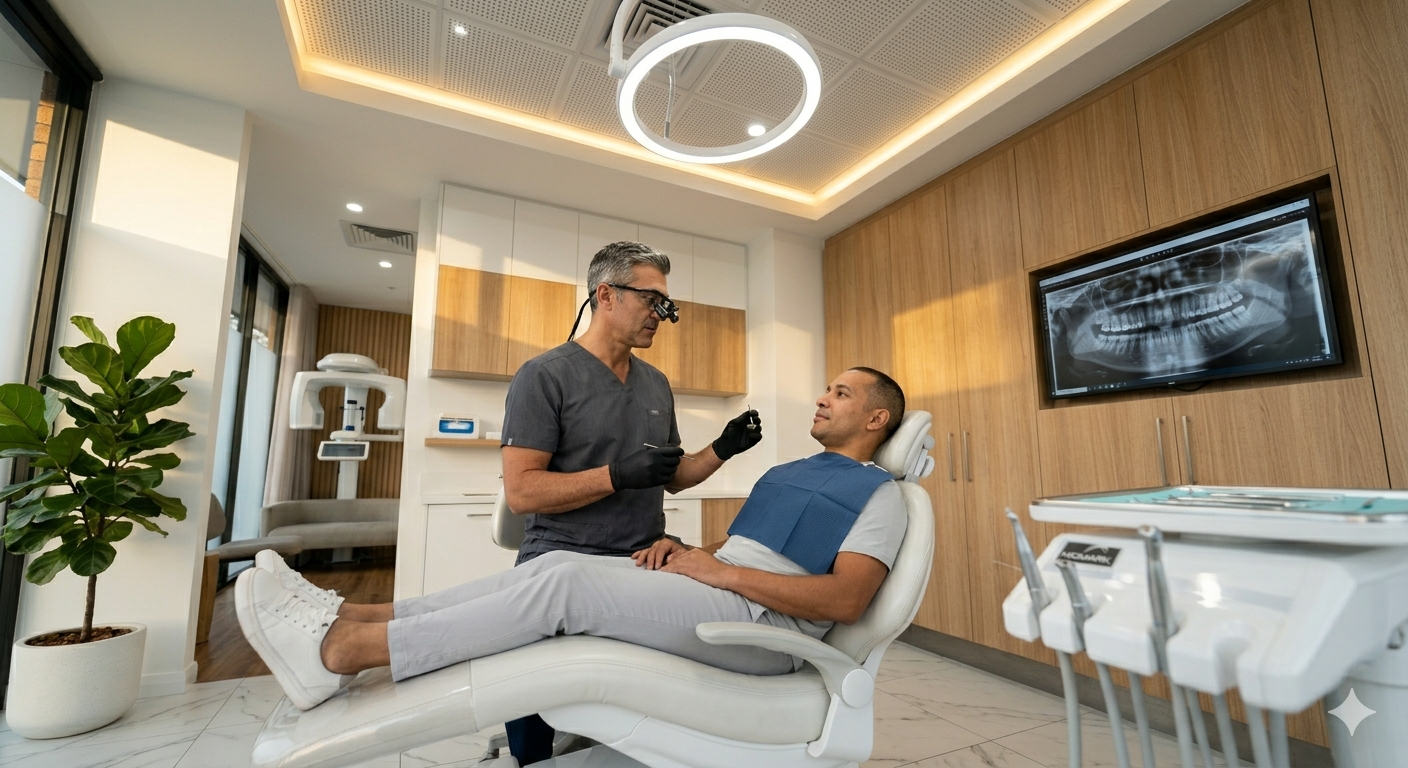
Orthodontic practice focuses on diagnosing and treating irregularities in teeth alignment and jaw structure. It aims to improve both function and appearance by carefully moving teeth into their ideal positions.
Definition and Purpose
Orthodontic practice involves specialized care to correct crooked, crowded, or misaligned teeth. The primary goal is to create a healthier bite, improve oral function, and enhance a patient’s smile.
Treatments often include braces, clear aligners, and other dental appliances. These help address issues like overbite, underbite, and gaps between teeth. Beyond aesthetics, proper alignment helps with chewing, speaking, and reducing wear on teeth.
Orthodontics also emphasizes long-term dental health. Well-aligned teeth are easier to clean, lowering risks of cavities and gum disease.
How Orthodontists Differ from Dentists
Orthodontists are dentists who undergo an additional two to three years of specialized training. This extra education focuses on tooth movement, jaw growth, and facial development.
While general dentists handle routine dental care like fillings and cleanings, orthodontists diagnose and manage bite problems. They design customized treatment plans using appliances like braces and retainers.
Their expertise lies in guiding teeth and jaws into healthier positions over time. Orthodontists also stay updated on advanced technologies such as digital scanning and 3D imaging for precise treatment.
History and Evolution of Orthodontics
Orthodontics dates back to ancient civilizations, where crude methods aimed to straighten teeth with basic tools. The modern field began in the 19th century with the invention of early braces using metal bands and wires.
In the early 20th century, techniques improved with better materials and understanding of tooth movement mechanics. Innovations like dental adhesives and stainless steel wires made treatments more effective and comfortable.
Recent decades introduced clear aligners and computer-guided treatments, making orthodontic care less visible and more patient-friendly. Today’s approaches focus heavily on patient comfort, aesthetics, and preventive health alongside correction.
Common Orthodontic Treatments
Orthodontic care includes several approaches designed to correct teeth alignment and bite issues. Treatments vary based on patient needs, age, and lifestyle, focusing on comfort and effective results.
Braces: Types and Options
Braces remain a popular choice for correcting crooked or crowded teeth. Traditional metal braces use brackets and wires attached to the teeth, adjusted regularly to shift teeth into place.
Ceramic braces work like metal but use clear or tooth-colored brackets, making them less noticeable. Lingual braces are attached behind the teeth, hidden from view, but may feel more uncomfortable at first.
Each option differs in cost, appearance, and maintenance. Metal braces typically cost less and are very durable, while ceramic and lingual braces offer aesthetic benefits for those concerned about looks during treatment.
Clear Aligners and Invisalign
Clear aligners like Invisalign offer a discreet alternative to braces. These are custom-made, removable trays that gradually move teeth without wires or brackets.
Wearing aligners at least 20–22 hours daily is critical for effective treatment. Aligners are cleaned easily, allow normal eating without restrictions, and fit well with active lifestyles.
This method suits mild to moderate alignment issues. Complex corrections may require braces or combined treatments. Regular monitoring helps track progress and make necessary adjustments.
Retainers and Aftercare
Retainers are essential after orthodontic treatment to keep teeth stable. They prevent teeth from shifting back to their original position, preserving the correction achieved.
There are two main types: removable and fixed. Removable retainers, usually plastic or clear, need to be worn according to the orthodontist’s instructions. Fixed retainers are bonded to the back of teeth and provide continuous support.
Proper hygiene and consistent use ensure long-term success. Orthodontists often recommend nighttime wear indefinitely, especially for adults.
Early Intervention for Children
Early orthodontic intervention can guide jaw growth and prevent severe alignment problems later. Screening by age 7 helps detect issues like crossbites, crowding, or thumb sucking habits.
Treatments might include space maintainers, partial braces, or appliances to expand the palate. Early care often reduces treatment time during adolescence and improves teeth positioning.
Parents should consult orthodontists if they notice irregular bites, difficulty chewing, or speech concerns. Early visits foster better outcomes and build positive dental habits.
Modern Technology in Orthodontics
Orthodontic care has evolved with tools that improve accuracy, comfort, and results. These advancements help create personalized treatment while reducing discomfort and the number of office visits.
3D Imaging and Digital Scans
3D imaging replaced traditional molds, making impressions easier and more accurate. Digital scans capture a detailed 3D model of the patient’s teeth and jaw without the mess of putty. This technology allows orthodontists to see problems from every angle and plan treatments more precisely.
With digital models, treatment progress can be tracked over time, helping to adjust plans if needed. Patients often feel more comfortable and less anxious during these scans compared to older methods. Plus, digital files are easy to share with specialists when collaboration is required.
Customized Treatment Plans
Advanced software uses the 3D scans to create personalized treatment plans. These plans predict tooth movement step-by-step, which helps set clear expectations for how long treatment will take and what the final results will look like.
Orthodontists can tailor options like braces or clear aligners to fit a patient’s unique needs. This customization often leads to faster treatment and fewer adjustments. Patients receive detailed visualizations and timelines, so they understand each phase of their journey.
Advances in Materials and Comfort
Modern braces and aligners have improved for comfort and effectiveness. For example, nickel-titanium wires are flexible and apply gentle pressure, causing less pain than older metal wires. Clear aligners are made from smooth plastic that won’t irritate gums or cheeks.
These materials also resist stains and breakage better than previous versions. Some brackets are smaller and less visible, improving aesthetics. Altogether, advancements lead to fewer office visits and a more pleasant experience during orthodontic care.
The Patient Experience
Visiting an orthodontist is a straightforward process designed to ensure comfort and clear communication. Patients are guided step-by-step, from initial exams to daily care, making treatment manageable and effective.
What to Expect During Your First Visit
The first orthodontic appointment usually begins with a detailed dental exam. The orthodontist checks teeth alignment, bite, and jaw structure using X-rays, photos, and impressions or digital scans. This helps create a personalized treatment plan.
Patients can expect to discuss their concerns and goals. The orthodontist explains treatment options, timelines, and costs clearly. There’s no pressure to decide immediately; the focus is on understanding what’s best for each patient’s smile and health.
Comfort is a priority. The exam is painless, and staff answer any questions to ease anxiety. This visit sets the tone for a positive, trusting relationship.
Life with Braces or Aligners
Adjusting to braces or clear aligners usually takes a few days. Braces may cause mild soreness or irritation at first, but orthodontists offer tips like orthodontic wax and over-the-counter pain relief to ease discomfort.
Aligners are removable, making eating and cleaning simpler, though patients must wear them 20-22 hours daily for best results. Braces require careful cleaning around brackets and wires but are highly effective for complex adjustments.
Routine visits every 4-8 weeks keep treatment on track. Each appointment involves tightening or switching aligners, which gradually moves teeth to their ideal positions.
Tips for Oral Care and Hygiene
Proper oral hygiene is crucial during orthodontic treatment, as braces and aligners can trap food and plaque. Using a soft-bristle toothbrush and fluoride toothpaste helps prevent cavities and gum issues.
For braces wearers, flossing is easier with threaders or interdental brushes. Aligners should be cleaned daily with gentle soap or special cleaning crystals, avoiding toothpaste that can scratch them.
Diet matters too. Avoid sticky, hard, or sugary foods that can damage appliances or cause decay. Drinking plenty of water and rinsing after meals supports oral health between brushing.
Maintaining these habits supports a smooth treatment process and a healthier, more confident smile.
Benefits of Orthodontic Care
Orthodontic care offers more than just straight teeth. It enhances appearance, supports lasting dental health, and can improve how a person speaks and bites. These advantages make orthodontic treatment a valuable investment.
Improved Smile and Confidence
A straight smile often boosts self-esteem. When teeth are properly aligned, it becomes easier to smile without hesitation. This change can positively affect social and professional situations.
Orthodontic treatments like braces or clear aligners gradually shift teeth into place, creating a balanced and attractive smile. This improvement also helps patients maintain better oral hygiene, since crooked teeth can trap food and plaque.
Feeling confident about one’s smile can lead to better interactions and a more positive self-image. Many patients report feeling less self-conscious and more willing to express themselves after treatment.
Long-Term Dental Health
Orthodontic care contributes significantly to lasting oral health. Misaligned teeth can cause uneven wear, jaw pain, and increase the risk of cavities due to difficulty in cleaning.
Correcting the bite reduces strain on teeth and gums, which helps prevent future dental complications. Well-aligned teeth are easier to brush and floss effectively, lowering the chances of gum disease.
Proper alignment can also minimize the risk of tooth injury. This preventative benefit saves patients from more extensive and costly dental work down the line.
Speech and Bite Improvements
Orthodontic treatment addresses bite issues like overbite, underbite, and crossbite, which can affect speech clarity and chewing efficiency. Misaligned teeth may cause lisps or difficulty pronouncing certain sounds.
Adjusting the bite improves jaw function and reduces discomfort during eating. These changes make everyday activities like speaking and chewing more comfortable.
Improved speech after orthodontic care often boosts confidence in social situations and public speaking. Addressing bite problems early can also prevent related issues, such as jaw joint pain or headaches.
Choosing the Right Orthodontic Practice
Finding the right orthodontic practice means balancing expertise with a comfortable, trustworthy environment. Key factors include clear communication, treatment options, and how well the practice supports patient needs throughout the entire process.
Questions to Ask Your Orthodontist
When visiting a prospective orthodontist, it’s important to ask specific questions to understand their approach and your treatment options. Some key questions might include:
- What types of braces or aligners do you offer?
- How long will the treatment likely take?
- What can I expect in terms of discomfort or adjustment periods?
- How often will visits be scheduled?
- What emergency services are available if problems arise?
These questions help clarify what the day-to-day experience will look like and ensure the treatment suits your lifestyle. Knowing if the orthodontist uses the latest technology or offers flexible payment plans can also be helpful.
Evaluating Experience and Credentials
Experience matters, but it’s more than just years in practice. Checking credentials verifies that the orthodontist has specialized training beyond dental school. Look for board certification by recognized organizations like the American Board of Orthodontics.
Reviewing before-and-after photos of previous patients gives insight into their skill level and treatment style. Reading patient reviews can show how well the practice manages care and patient comfort. Also consider if the orthodontist keeps up with continuing education, which ensures they are knowledgeable about the latest techniques and technologies.
Orthodontic Care for All Ages
Orthodontic treatment can be tailored to fit different life stages, addressing unique dental needs with gentle, effective options. Whether managing growth changes in younger patients or aligning adult teeth for function and aesthetics, modern orthodontics offers a variety of approaches to suit individual lifestyles and concerns.
Treatment Options for Teens
Teen orthodontics focuses on guiding jaw growth while straightening teeth, making this a key period for intervention. Braces—metal or ceramic—are common, using brackets and wires to apply steady pressure. These appliances are versatile and effective for a wide range of bite issues and crowding.
Another popular option is clear aligners. These removable trays offer discreet treatment and can be taken out for eating and cleaning. Compliance matters here, as consistent wear is required for success.
Regular check-ups during teen treatment are important. They ensure progress and adjust appliances as needed to maintain comfort and effectiveness. Patient comfort and confidence are priorities, so many programs include tools like orthodontic wax to reduce irritation.
Adult Orthodontics
Adults often seek orthodontic care to improve smile aesthetics or fix long-term bite problems. Treatment options include traditional braces, but clear aligners have become a favored choice due to their nearly invisible appearance and convenience.
Adult teeth may move more slowly than teen teeth, so treatment times can vary. Bone density and gum health also influence care plans. Orthodontists carefully evaluate these factors to create a safe, effective plan.
In some cases, adults may combine orthodontics with other dental procedures—like implants or veneers—to achieve the best results. Patient education about maintenance and hygiene is emphasized to prevent complications during treatment.
Adults concerned about appearance and lifestyle can find solutions that fit discreetly into their daily lives, balancing function and confidence.
Cost and Insurance Considerations
Orthodontic treatment costs vary widely depending on the type of braces, treatment length, and location. Understanding payment options and insurance details helps patients manage expenses more confidently.
Payment Plans and Financing
Many orthodontic practices offer flexible payment plans to make treatment more affordable. These plans often allow patients to spread the total cost over several months or years, reducing the financial strain.
Common options include low or zero-interest monthly payments. Some offices may require a down payment followed by monthly installments customized to fit the patient’s budget. Additionally, third-party financing companies often partner with clinics to provide credit that can cover treatment costs.
Patients should ask about any fees, payment deadlines, or penalties for missed payments. Transparent communication helps avoid surprises during treatment. It’s also helpful to compare different payment plans to find the most convenient and cost-effective solution.
Understanding Insurance Coverage
Orthodontic coverage varies greatly, so checking with your insurance provider before starting treatment is crucial. Some plans offer partial coverage for braces and aligners, usually limited to children under 18. Adults may receive less support depending on the policy.
Most insurance policies apply a lifetime maximum benefit, often between $1,000 and $3,500, which can cover a portion of the total cost but rarely the full amount. It’s important to confirm any copayments, deductibles, or waiting periods.
Patients should request a detailed estimate or pre-authorization from their insurers, which clarifies what portion will be covered. This step helps set accurate expectations and plan for out-of-pocket expenses.
Maintaining Results After Treatment
Keeping the straightened smile intact requires more than just completing orthodontic treatment. It involves using specific tools and routines, along with regular check-ins with the orthodontist to ensure teeth stay in their new positions.
Retention Strategies
After braces or aligners, teeth need time to settle into their new spots. Retainers are the main tool for this. They come in two common types: fixed and removable. Fixed retainers are thin wires bonded behind the teeth, typically used on front lower teeth to prevent shifting. Removable retainers, like Hawley or clear plastic types, are worn mostly at night.
Patients should follow their orthodontist’s instructions exactly on wear time, especially the first year after treatment. Inconsistent use increases the chance of relapse and shifting. Cleaning retainers properly is important to avoid buildup of bacteria or damage. Retainers might eventually need replacement due to wear.
Long-Term Follow-Up Care
Even after retention, ongoing dental visits help catch any minor movement early. Annual or biannual visits to the orthodontist or general dentist allow for monitoring and adjusting retainers if needed. Sometimes, a new retainer is prescribed if the fit changes over time.
Good oral hygiene supports retention by keeping gums healthy and reducing pressure from infections or inflammation. Patients should report any discomfort or tightness in retainers, which could signal the need for professional attention. Long-term commitment to follow-up care helps preserve the investment made in a beautiful smile.
Next Steps Toward a Healthier Smile
After your initial orthodontic consultation, the next step is often a thorough examination. This includes X-rays, photos, and impressions to get a complete picture of your dental health. These details help the orthodontist create a personalized treatment plan.
Modern orthodontic options vary widely. Some patients may choose traditional braces, while others prefer clear aligners for a less noticeable look. Each treatment is designed to gradually move teeth into better alignment with comfort in mind.
Good oral hygiene is essential throughout treatment. Brushing after meals, flossing daily, and regular dental check-ups help prevent cavities and gum issues. Patients should also avoid sticky or hard foods that can damage appliances.
Here’s a quick checklist for patients starting orthodontic care:
| Step | What It Means |
|---|---|
| Initial Exam | Customized treatment plan creation |
| Choosing Appliance | Braces, clear aligners, or retainers |
| Oral Hygiene Focus | Brushing, flossing, regular cleanings |
| Follow-Up Visits | Periodic adjustments and progress checks |
Encouraging open communication with the orthodontist can ease worries. Asking questions about care routines, treatment length, or discomfort helps build trust. Taking these steps supports a smoother journey to a healthier, confident smile.
Frequently Asked Questions
Many people have questions about orthodontic care, from understanding who an orthodontist is to figuring out the best treatment options and costs. Addressing these details helps patients and families make confident, informed decisions about their smiles.
What does an orthodontist do, and how is it different from seeing a general dentist?
An orthodontist specializes in diagnosing and treating misaligned teeth and jaws. Unlike general dentists, who focus on overall dental health and routine care, orthodontists use braces, aligners, and other devices to correct bite and alignment issues.
How do I know if I (or my child) needs orthodontic treatment, and when is the best time to start?
Signs like crowded teeth, difficulty biting, or uneven spacing suggest orthodontic evaluation. Early assessment around ages 7-9 helps catch developing problems before they worsen, but treatment can begin at any age with proper consultation.
What are the most common orthodontic treatment options, and how do I choose between braces and clear aligners?
Braces use brackets and wires to move teeth, offering strong control over complex cases. Clear aligners are removable, discreet trays best for mild to moderate adjustments. Choice depends on treatment needs, lifestyle, and comfort preferences.
How long does orthodontic treatment usually take, and what factors can make it shorter or longer?
Treatment typically spans 12 to 36 months. Factors like the severity of misalignment, patient age, and adherence to care instructions influence duration. Regular adjustments and good oral hygiene can help keep progress on track.
How much does orthodontic treatment typically cost, and what payment or insurance options are available?
Costs vary widely, usually ranging from $3,000 to $7,000 depending on the type of treatment and complexity. Many practices offer payment plans, and some dental insurance covers part of treatment. It’s best to discuss finances during a consultation.
How can I find a trusted orthodontist nearby, and what questions should I ask at the first consultation?
Look for licensed orthodontists with good reviews and recommended by your dentist. Ask about their experience, treatment options, anticipated timelines, costs, and how they ensure patient comfort throughout the process.


Abby Newhouse
Recent Articles
07/23/2026
Benefits of Dental Implants in DFW, TX: A Patient-Friendly Guide
Missing teeth can affect much more than a smile. They can make it harder to chew favorite foods, change the way a person speaks, and even influence confidence in social...
07/15/2026
Importance of Regular Dental Checkups Dfw TX: How Routine Visits Protect Your Smile and Comfort
You take better care of your overall health when you keep up with regular dental checkups, and that care matters especially in DFW where convenient, modern practices make prevention easy...
06/23/2026
Family Dentist DFW TX — Gentle, Expert Care for Every Age and Smile
You will find practical, family-focused dental care across DFW that balances gentle preventive care with modern restorative options tailored to every age. A trusted family dentist in DFW offers routine...
06/23/2026
Affordable Dental Care Dfw TX — Comfortable, Affordable Treatments and Preventive Tips from Your Neighborhood Dentist
You’ll find practical ways to get affordable dental care across the DFW area without sacrificing quality or safety. Local clinics, community programs, sliding-fee plans, and modern low-cost treatment options make...
05/16/2026
Wisdom Teeth Removal Dfw TX: Gentle, Expert Care and Recovery Guidance
Thinking about wisdom teeth removal in DFW, TX can feel overwhelming, but clear options and friendly local care make the path straightforward. If wisdom teeth are causing pain, crowding, recurrent...

05/07/2026
Oral Surgery Practice Dfw TX: Caring, Comfortable Solutions for Your Smile
If someone in DFW, TX, needs oral surgery, finding a trusted practice that combines skill with patient comfort is key. Oral surgery covers a range of treatments, from wisdom tooth...