
May 16, 2026
Wisdom Teeth Removal Dfw TX: Gentle, Expert Care and Recovery Guidance
Thinking about wisdom teeth removal in DFW, TX can feel overwhelming, but clear options and friendly local care make the path straightforward. If wisdom teeth are causing pain, crowding, recurrent infections, or X-rays show they’re impacted, removal is often the best choice to prevent future problems and protect your oral health.
This article explains what wisdom teeth are, who typically needs extraction, how the removal process works in the Dallas–Fort Worth area, and what recovery looks like so you know what to expect. It also guides you on choosing a trusted dental professional nearby, practical aftercare tips, and answers to common concerns to help you make a confident decision and schedule the right next steps.
Understanding Wisdom Teeth
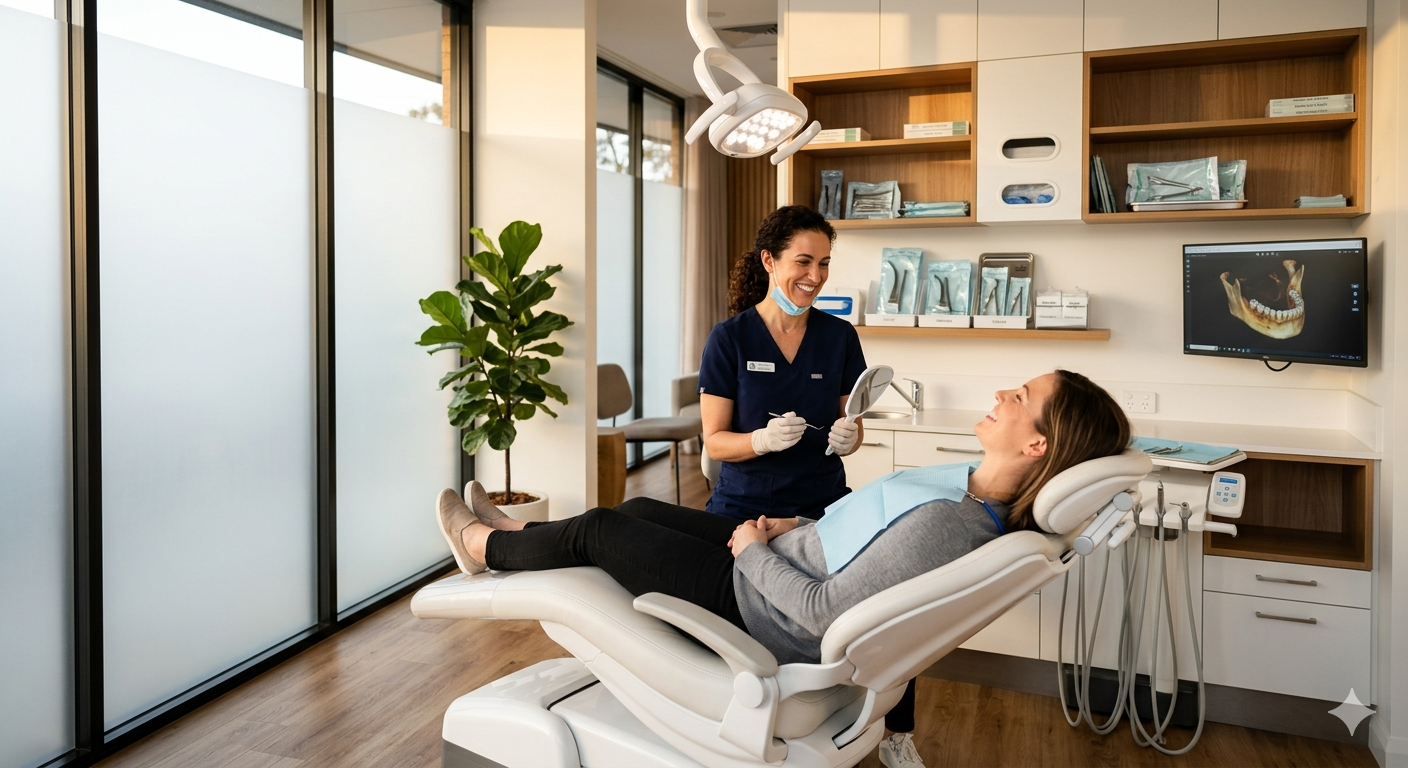
Wisdom teeth are the third molars at the back of the mouth that often emerge between ages 17 and 25. They can develop normally, remain unerupted, or create problems that require removal.
What Are Wisdom Teeth
Wisdom teeth are the third set of molars located behind the second molars on each side of the upper and lower jaws. Most people have four, but some have fewer or none.
They usually erupt during late adolescence when jaw growth may be complete. Eruption patterns vary: some come in straight and functional, while others come in at angles or only partially.
Dentists evaluate position with X-rays and clinical exams, noting root development and relationship to nearby nerves. This assessment guides decisions about monitoring versus removal.
Genetics, jaw size, and tooth crowding influence whether wisdom teeth become problematic. Modern dental teams balance conservative management with proactive removal to reduce future complications.
Why Wisdom Teeth Can Cause Issues
Impaction occurs when a wisdom tooth cannot fully emerge due to lack of space or obstruction by adjacent teeth. Impacted teeth can press on second molars, causing pain, shifting of teeth, or damage to tooth structure.
Partially erupted teeth create pockets where food and bacteria collect, increasing risk for cavities and gum infection (pericoronitis). Poor access for cleaning makes decay more likely on wisdom and adjacent teeth.
Lower wisdom teeth lie near the inferior alveolar nerve; roots that develop close to this nerve raise the risk of temporary or, rarely, permanent nerve injury during extraction. Upper wisdom teeth can impinge on the sinus floor, potentially causing sinus complications.
Dentists weigh these risks alongside symptoms, radiographic findings, and patient age when recommending extraction or observation.
Common Symptoms of Impacted Wisdom Teeth
Pain localized at the back of the jaw is the most frequent symptom, often intermittent and worse when chewing. swelling of the gums or jaw near the wisdom tooth may accompany pain and indicate infection.
Patients commonly report bad breath or an unpleasant taste caused by trapped food and bacterial growth around a partially erupted tooth. Difficulty opening the mouth fully (trismus) and ear or jaw pain referred from the site are also reported.
Signs on exam include red, swollen gum tissue over the tooth, pus drainage, and cavities on the wisdom or adjacent second molar. Radiographs may show angulation, incomplete eruption, cysts, or root proximity to nerves, guiding treatment choices.
If these symptoms appear, prompt dental evaluation helps prevent worsening infection, tooth damage, or more complex surgery.
Who Needs Wisdom Teeth Extraction
Most patients benefit from an evaluation that checks tooth position, jaw space, nerve proximity, and infection risk. Dentists use X-rays and clinical exams to decide whether removal improves oral health, reduces pain, or prevents future problems.
Age and Timing Considerations
Wisdom teeth usually emerge between ages 17 and 25, and that window is ideal for assessment. Bone is less dense in late teens and early twenties, which typically makes extraction easier, healing faster, and complication rates lower than after age 30.
Oral surgeons often recommend removal before roots fully form to reduce nerve injury and to simplify surgery. However, not every 18–22-year-old needs extraction; some wisdom teeth erupt fully, align correctly, and remain healthy with regular monitoring.
A patient with impacted or partially erupted third molars should have earlier intervention. Orthodontic plans, existing crowding, and recurrent pericoronitis can make proactive removal the better choice. Individual medical history and imaging guide timing.
Signs You May Need Removal
Persistent pain around the back molars is the most common sign that extraction may be necessary. Swelling, redness, bad taste from the back of the mouth, or repeated infections near a wisdom tooth indicate active problems.
Difficulty opening the mouth fully (trismus), frequent sinus pain on one side, or pressure against adjacent teeth are other practical indicators. Recurrent cavities on wisdom teeth or on the second molars caused by hard-to-clean areas also warrant removal.
Dentists also recommend extraction when X-rays show horizontal impaction, roots approaching the inferior alveolar nerve, or cyst formation. Regular checkups and panoramic radiographs capture these issues before symptoms worsen.
Risks of Delaying Treatment
Delaying removal increases the chance of infection, decay on second molars, and cyst or tumor development around impacted teeth. Over time, roots lengthen and bone hardens, making later surgery more complex and recovery slower.
Nerve injury risk rises when surgery occurs after roots fully form or if the tooth moves closer to the mandibular canal. Chronic inflammation can also cause scarring and limited mouth opening, complicating future dental work.
Patients with diabetes, compromised immunity, or tobacco use face higher complication rates if treatment is postponed. Prompt evaluation lets a clinician weigh immediate extraction against continued monitoring and helps plan anesthesia and surgical approach to minimize risk.
The Wisdom Teeth Removal Process in DFW
This section explains how local clinics evaluate each case, the sedation choices available, and step-by-step procedural details so patients know what to expect and how to prepare.
What to Expect During Consultation
Patients start with a focused intake that includes medical history, current medications (especially blood thinners), and any allergies. Dentists or oral surgeons will review symptoms such as pain, infection, crowding, or cysts and assess whether removal is recommended now or can wait.
A panoramic X-ray or cone-beam CT is standard to show tooth position and nerve proximity. The imaging helps the clinician explain risks like nerve injury or sinus involvement and decide if a simple extraction or surgical approach is needed.
Clinicians discuss anesthesia options, estimated recovery time, and a written cost estimate that lists surgeon, facility, and anesthesia fees. Patients receive pre-op instructions—fasting times, medication adjustments, and transportation arrangements—so the day of surgery proceeds safely.
Modern Anesthesia and Comfort Options
DFW practices commonly offer three levels of anesthesia: local anesthesia (numbing the area), oral or IV sedation (reduces anxiety and awareness), and general anesthesia (patient is unconscious). The choice depends on patient anxiety, number and position of teeth, and medical history.
Clinicians evaluate ASA physical status to choose safe sedation. For IV or general anesthesia, patients should follow fasting instructions and arrange a responsible adult to drive them home. Offices often provide pulse oximetry and blood pressure monitoring during the procedure.
Comfort measures include pre-op ibuprofen or acetaminophen protocols, warm blankets, noise-cancelling headphones, and postoperative prescriptions for pain control and antibiotics when indicated. Clear discharge instructions cover swelling control, diet progression, and who to call for complications.
What Happens During the Procedure
On arrival, staff confirm identity, review consent, and set up monitoring. Local anesthesia is administered first; if IV sedation or general anesthesia is planned, an anesthetist places an IV and titrates medication until the patient is comfortable or asleep.
For erupted wisdom teeth, the dentist uses forceps and elevators to remove the tooth with minimal tissue trauma. For impacted teeth, a small incision in the gum and removal of bone may be necessary; the tooth may be sectioned into pieces for safer extraction. Clinicians take care to avoid the inferior alveolar nerve by working from the safest angle shown on imaging.
After tooth removal, the site is cleaned, smoothed, and closed with dissolvable or removable sutures as needed. Staff review aftercare: bite on gauze to stop bleeding, apply ice for the first 24 hours, start soft foods, and follow prescribed medication schedules. They schedule a follow-up visit and provide emergency contact information for unexpected bleeding, severe pain, or signs of infection.
Recovery and Aftercare Tips
Expect the first 48–72 hours to be the most uncomfortable. Follow prescribed medications, keep the area clean, eat soft foods, and watch for warning signs so healing proceeds smoothly.
Managing Pain and Swelling
Apply an ice pack to the cheek for 15 minutes on, 15 minutes off during the first 24 hours to limit swelling. After 48 hours, switch to warm compresses to help the tissues relax and promote circulation.
Take prescribed opioids only if necessary and follow the exact dosage and timing. Use NSAIDs like ibuprofen or acetaminophen as directed; alternating them can control pain effectively when approved by the surgeon.
Keep the head elevated while resting to reduce throbbing. Avoid heavy lifting, bending, and strenuous exercise for at least 3–5 days to prevent increased blood flow to the mouth and more pain.
Do not smoke or use vaping products for at least 72 hours — smoking delays clot formation and raises infection and dry socket risk. Rinse gently with warm salt water starting 24 hours after surgery to reduce bacteria and soothe tissues.
Foods to Eat and Avoid
Choose soft, nutrient-dense foods: yogurt, applesauce, mashed potatoes, scrambled eggs, smoothies (no straws), and protein shakes. Cool foods like pudding and gelatin soothe inflamed tissues in the first 48 hours.
Avoid hot, spicy, crunchy, or acidic foods for at least one week as they can irritate extraction sites. Do not use a straw for two weeks; suction can dislodge clots and cause dry socket.
Limit small seeds, nuts, and grains that can lodge in sockets. When reintroducing solid foods, start with soft meats (ground turkey, pulled chicken) and well-cooked vegetables before moving back to chewy or hard items.
Keep hydrated with water and non-carbonated, non-alcoholic beverages. If eating blended foods, include protein and vegetables to support healing and reduce infection risk.
Signs of Normal vs. Complicated Healing
Normal healing includes steady improvement in pain and swelling over 3–7 days, mild bleeding or oozing for the first 24 hours, and numbness resolving if local anesthesia was used. Mild bruising and limited jaw stiffness are common.
Seek immediate care for these warning signs: severe, worsening pain after 3–5 days (possible dry socket), heavy bleeding that soaks through gauze every 30–60 minutes, high fever above 101°F (38.3°C), or yellow/green discharge indicating infection.
Persistent numbness beyond a few days, progressive swelling that increases after day three, or difficulty breathing or swallowing require urgent evaluation. Contact the oral surgeon promptly for worsening symptoms or if prescribed antibiotics do not improve the condition.
Tips for a Smooth Recovery
Follow medication instructions exactly; finish any prescribed antibiotic course even if symptoms improve. Keep follow-up appointments so the surgeon can assess healing and remove sutures if needed.
Use gentle oral hygiene: brush other teeth normally but avoid the extraction area for 24 hours, then rinse with warm salt water 2–3 times daily. Resume gentle brushing of the surgical site after the first week as advised.
Plan for at least 48–72 hours off work or school for uncomplicated extractions; arrange transportation if sedation was used. Prepare soft meals, cold compresses, and loose clothing to reduce discomfort and stress during recovery.
Communicate concerns early. Call the dental office for persistent bleeding, severe pain, fever, or any sudden changes. They can offer targeted care, reassurance, or same-day evaluation when necessary.
Choosing the Right Dental Professional in DFW TX
Selecting care in the Dallas–Fort Worth area means checking credentials, experience with wisdom teeth removal, and clear communication about anesthesia and recovery. Patients should prioritize providers who combine surgical skill with a patient-centered approach and convenient local availability.
Qualifications to Look For
Look for a provider with a DMD or DDS degree from an accredited U.S. dental school and additional residency training in oral and maxillofacial surgery for complex extractions. Board certification by the American Board of Oral and Maxillofacial Surgery or membership in the American Association of Oral and Maxillofacial Surgeons indicates advanced training and commitment to standards.
Verify state licensure through the Texas State Board of Dental Examiners and check for hospital privileges, which matter if IV sedation or general anesthesia is used. Review the clinician’s experience with third-molar impactions similar to the patient’s case—horizontal, mesioangular, or fully impacted—since those factors change surgical complexity.
Confirm continuing education in sedation techniques, infection control, and digital imaging (CBCT). Patient reviews and before/after cases can reveal real-world outcomes, pain control, and follow-up care quality.
Benefits of Specialized Oral Surgeons
Oral surgeons train specifically to manage surgical extractions, nerve mapping, and complications such as root fractures or proximity to the inferior alveolar nerve. That expertise reduces operative time and can lower the risk of nerve injury in difficult lower wisdom teeth cases.
They routinely provide multiple anesthesia options—local, nitrous oxide, IV sedation, or general anesthesia—and coordinate perioperative care for patients on blood thinners or with sleep apnea. Clinics often have on-site imaging (3D CBCT), sterile surgical suites, and emergency protocols, improving safety and efficiency.
Specialists also manage post-op pain and swelling with evidence-based regimens and offer clear instructions for diet, activity, and oral hygiene to speed recovery. For patients with dental anxiety or complicated anatomy, the specialized team typically yields smoother, more predictable outcomes.
Questions to Ask Your Dentist
Ask directly: “How many wisdom teeth extractions do you perform monthly, and what percentage require referral?” That clarifies experience and when the case should go to a specialist. Request to see similar case notes or imaging examples if possible.
Confirm anesthesia options and who administers it: “Will an anesthesiologist provide IV sedation, or do you sedate patients in-office?” Also ask about emergency protocols: “If bleeding or infection occurs after hours, what is the immediate contact procedure?”
Discuss recovery specifics: “What is your typical pain-management plan, and when do you schedule post-op checks?” Finally, verify costs and insurance: “Do you submit to my insurer, what estimates can you provide, and are payment plans available?” These concrete questions help patients choose a clinician aligned with their medical needs and comfort preferences.
Preventing Future Complications
Proper daily care and timely follow-up greatly reduce the chance of infection, dry socket, or shifting teeth. Simple actions—consistent oral hygiene, soft diet choices, and scheduled checkups—protect healing and long-term oral health.
Maintaining Oral Health After Removal
They should use a soft-bristled toothbrush and avoid brushing directly over the surgical site for the first 24 hours. After 24 hours, gentle brushing around the area twice daily helps remove plaque without disturbing the clot.
Rinse with a saltwater solution (½ teaspoon salt in 8 ounces warm water) starting 24 hours after surgery, four times a day for one week. Avoid commercial mouthwashes with alcohol until the site is fully healed to prevent irritation.
Stick to soft, nutrient-rich foods for the first 3–7 days: yogurt, mashed potatoes, smoothies (no straw), scrambled eggs, and pureed soups. Avoid crunchy, sticky, or hard foods that can dislodge sutures or get trapped in the socket.
They should stop smoking and avoid nicotine products for at least 72 hours, preferably two weeks. Smoking impairs blood flow and greatly increases the risk of dry socket and infection.
Follow-Up Care Guidelines
Schedule a postoperative check with the oral surgeon or dentist 5–7 days after extraction to evaluate healing and remove any nonabsorbable sutures. Keeping this appointment helps catch infection, dry socket, or unexpected numbness early.
Watch for warning signs and call the office immediately if they experience increasing pain after 48–72 hours, a foul taste or odor, fever above 100.4°F (38°C), or numbness that worsens. These can indicate infection, dry socket, or nerve involvement.
Follow prescribed medication directions exactly: complete the antibiotic course if given, and use pain medication as recommended. Over-the-counter ibuprofen often manages pain and inflammation; alternating with acetaminophen may improve control when approved by the provider.
Maintain routine dental visits every 6 months and X-rays as recommended to monitor adjacent teeth and bone. If teeth were impacted, periodic imaging ensures no late complications such as cyst formation or root resorption.
Addressing Common Concerns and Myths
Many patients worry that wisdom tooth removal is always painful and risky. Modern techniques, local or IV sedation, and effective pain control make the procedure comfortable for most people.
Some believe everyone must have wisdom teeth removed. That’s not true. Dentists recommend removal when teeth are impacted, cause infection, crowding, or damage nearby teeth. If wisdom teeth are healthy and well-aligned, they often remain.
A common myth says recovery always takes weeks. Typical recovery is 3–7 days for most daily activities, though complete healing of the bone can take months. Following post-op care—rest, ice, soft foods, and prescribed medications—speeds recovery.
People fear permanent numbness after extraction. Nerve injury is rare, especially with experienced surgeons and pre-op imaging like CBCT scans. If nerves are close to the tooth roots, the surgeon discusses risks and alternative approaches beforehand.
Some assume antibiotics are always necessary. Antibiotics help when infection or high-risk conditions exist, but routine use isn’t indicated for every case. Surgeons balance infection prevention with antibiotic stewardship.
They often worry about dry socket and infection. Proper aftercare—avoiding smoking, using gentle oral hygiene, and following instructions—reduces these risks significantly.
If readers still have questions or specific concerns, encourage them to ask their DFW dental provider for a personalized consultation and clear, local guidance.
Making Your First Appointment
Patients should call or book online to schedule their first consultation for wisdom teeth removal in DFW, TX. Front-desk staff will ask about symptoms, medical history, and any current medications to prepare the team.
The clinic often requests recent dental X-rays; if none are available, they will arrange imaging during the visit. This helps the surgeon assess impaction, nerve location, and the best extraction approach.
New-patient forms can usually be completed online beforehand to shorten wait times. Bringing a photo ID and insurance card speeds check-in, and the office will explain any coverage or out-of-pocket estimates.
The team will review anesthesia options—local, nitrous oxide, oral sedation, or IV—based on health history and patient comfort. They will explain risks, benefits, and recovery expectations in clear, nontechnical language.
Patients should mention pregnancy, bleeding disorders, or recent illnesses when booking. The staff will give pre-op instructions such as fasting times, transportation needs, and medication adjustments.
If anxiety is a concern, the dentist may offer sedation consultation and relaxation strategies. Scheduling a follow-up appointment is usually done at check-out to monitor healing and remove sutures if needed.
Call the clinic or use the online portal to set the appointment and ask any immediate questions. The team encourages patients to reach out with concerns and welcomes visits to discuss options before committing to surgery.
Frequently Asked Questions
This section answers common patient concerns about costs, symptoms, anesthesia choices, recovery timelines, low-cost options, and timing for orthodontic treatment after extraction. Each answer gives practical, local-minded information for people in the Dallas–Fort Worth area.
How much does wisdom teeth removal typically cost in the Dallas–Fort Worth area?
Costs usually range from $300 to $1,200 per tooth depending on complexity and provider type. Simple extractions at a general dentist run toward the lower end; impacted or surgically complex cases done by an oral surgeon with sedation move toward the higher end.
Insurance often covers part of the fee; patients should check plan specifics like deductibles and in-network providers. Estimates from local practices and a pre-procedure treatment plan can prevent surprise bills.
What are the signs that my wisdom teeth need to come out soon?
Common signs include persistent pain at the back of the mouth, swelling of the gums, and repeated infections near the wisdom tooth. Difficulty fully opening the mouth, bad breath that won’t improve with brushing, and pressure against nearby teeth also indicate a problem.
X-rays showing impaction, tilted teeth, or damage to adjacent teeth are clinical reasons to remove wisdom teeth even if symptoms are mild. Dentists in DFW typically recommend extraction when the risks of keeping the tooth exceed the risks of removal.
What type of anesthesia or sedation options are available, and what will I feel during the procedure?
Practices commonly offer local anesthesia, nitrous oxide (laughing gas), oral sedatives, and IV sedation, with general anesthesia available in some oral surgery centers. Local anesthesia numbs the area so the patient feels pressure but no pain; sedation levels range from relaxed and drowsy to fully asleep depending on the choice.
The dentist or surgeon discusses risks and recovery from sedation before the procedure and provides post-op instructions about transportation and activity restrictions. Patients should disclose medical history and medications to safely choose a sedation plan.
How long does recovery usually take, and what can I do to heal faster and more comfortably?
Most patients feel substantially better within 3–4 days and return to normal activity in about a week, though full healing of the jawbone can take several weeks. Follow prescribed pain control, use ice packs in the first 24 hours, and avoid vigorous rinsing or straw use to lower the risk of dry socket.
Soft foods, gentle oral hygiene after 24 hours, and attending follow-up visits speed recovery. If swelling, persistent heavy bleeding, fever, or severe pain occur, contact the dental office promptly.
Are there affordable or low-cost options if I don’t have dental insurance?
Community health clinics and dental schools in DFW offer lower-cost extraction services performed by supervised students or residents. Some oral surgery practices provide payment plans, sliding-scale fees, or discounted cash rates for uninsured patients.
Patients can also request an itemized estimate and compare multiple local offices before scheduling. Many practices will work with CareCredit or other medical financing to spread costs over time.
How soon after wisdom teeth removal can I start or resume braces or other orthodontic treatment?
Orthodontists generally wait until soft-tissue healing is well underway—typically 1 to 3 weeks for minor adjustments, and up to 6 weeks if extractions were complex. The exact timing depends on the orthodontic stage, healing speed, and whether infection or complications occurred.
Coordination between the oral surgeon and orthodontist ensures safe timing; patients should confirm a plan before extraction so braces schedules are minimally disrupted.


Abby Newhouse
Recent Articles

07/23/2026
Benefits of Dental Implants in DFW, TX: A Patient-Friendly Guide
Missing teeth can affect much more than a smile. They can make it harder to chew favorite foods, change the way a person speaks, and even influence confidence in social...

07/15/2026
Importance of Regular Dental Checkups Dfw TX: How Routine Visits Protect Your Smile and Comfort
You take better care of your overall health when you keep up with regular dental checkups, and that care matters especially in DFW where convenient, modern practices make prevention easy...
06/23/2026
Family Dentist DFW TX — Gentle, Expert Care for Every Age and Smile
You will find practical, family-focused dental care across DFW that balances gentle preventive care with modern restorative options tailored to every age. A trusted family dentist in DFW offers routine...

06/23/2026
Affordable Dental Care Dfw TX — Comfortable, Affordable Treatments and Preventive Tips from Your Neighborhood Dentist
You’ll find practical ways to get affordable dental care across the DFW area without sacrificing quality or safety. Local clinics, community programs, sliding-fee plans, and modern low-cost treatment options make...

05/07/2026
Oral Surgery Practice Dfw TX: Caring, Comfortable Solutions for Your Smile
If someone in DFW, TX, needs oral surgery, finding a trusted practice that combines skill with patient comfort is key. Oral surgery covers a range of treatments, from wisdom tooth...
04/21/2026
Wisdom Teeth Removal Dfw TX: Gentle Care and Modern Solutions for Your Comfort
Wisdom teeth removal is a common dental procedure many in the DFW area face, often during late teens or early adulthood. It’s important to understand that removing wisdom teeth can...