
July 23, 2026
Benefits of Dental Implants in DFW, TX: A Patient-Friendly Guide
Missing teeth can affect much more than a smile. They can make it harder to chew favorite foods, change the way a person speaks, and even influence confidence in social or professional settings. For many patients in the Dallas-Fort Worth area, dental implants are one of the most trusted modern options for replacing missing teeth in a way that feels stable, natural, and long lasting.
When people search for the benefits of dental implants in DFW, TX, they are often trying to understand whether implants are worth the time, cost, and planning involved. The short answer is that dental implants offer several unique advantages compared with traditional tooth replacement options, especially for patients who want a secure solution that supports everyday comfort and oral health.
This article is for general education only and is not a diagnosis or treatment recommendation. Anyone with missing teeth, pain, infection, gum disease, or questions about implant candidacy should consult a licensed dental professional for personalized advice.
Why Replacing Missing Teeth Matters
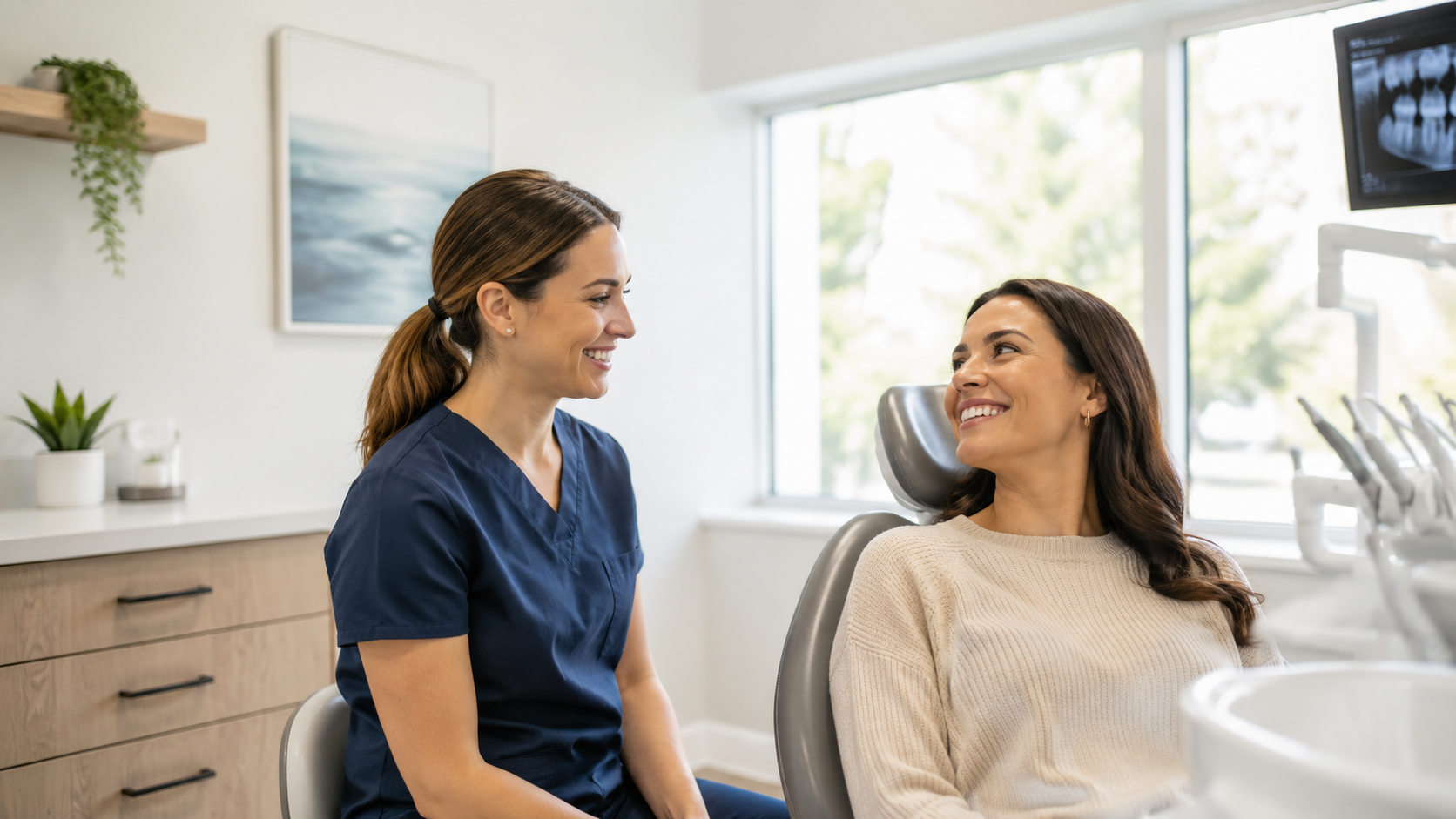
A missing tooth may seem like a small issue at first, especially if it is not visible when smiling. However, teeth work together as a system. When one tooth is lost, nearby teeth may begin to shift into the open space. This can affect the bite, create harder-to-clean areas, and place extra stress on surrounding teeth.
Missing teeth can also change chewing patterns. A person may start favoring one side of the mouth, avoiding certain foods, or swallowing food before it is fully chewed. Over time, these habits can affect comfort and nutrition.
Another important concern is bone loss. The jawbone relies on stimulation from tooth roots. When a tooth root is gone, the bone in that area may gradually shrink. Dental implants are unique because they replace not only the visible tooth but also the root-like support beneath it.
What Makes Dental Implants Different?
A dental implant is a small post, usually made of biocompatible titanium or a similar material, that is placed in the jawbone by a trained dental professional. After healing, the implant can support a crown, bridge, or denture, depending on how many teeth need replacement.
Unlike a traditional removable denture that rests on the gums, an implant is anchored in the jaw. Unlike a dental bridge, a single implant typically does not require reshaping the neighboring teeth for support. This root-style design is what gives implants many of their best-known advantages.
The process usually happens in stages. A dentist or specialist evaluates oral health, bone structure, medical history, and goals. Then the implant is placed, allowed to heal, and restored with a custom-made tooth or prosthetic. Every treatment plan is different, so timing and steps can vary from patient to patient.
Top Benefits of Dental Implants in DFW, TX
1. A Natural Look and Feel
One of the biggest reasons patients choose dental implants is that they can look and feel very similar to natural teeth. The visible crown is custom designed to blend with the surrounding teeth in color, shape, and size.
Because implants are anchored securely, many patients find them more comfortable during daily activities than removable options. They do not sit loosely on the gums, and they are designed to function as part of the smile rather than as a separate appliance.
2. Stronger Chewing Support
Chewing with missing teeth or loose dentures can be frustrating. Foods like apples, steak, nuts, crusty bread, and raw vegetables may become difficult or uncomfortable. Dental implants can restore more stable chewing power because they are supported by the jawbone.
This does not mean every patient can eat everything immediately after treatment. Healing takes time, and dentists provide specific instructions during recovery. However, once fully restored, implants are designed to support a wide variety of everyday foods with greater confidence.
3. Help Protect Jawbone Health
Jawbone preservation is one of the most important benefits of dental implants. When an implant integrates with the bone, it helps provide stimulation in a way that resembles a natural tooth root. This may help reduce the bone shrinkage that commonly follows tooth loss.
Maintaining bone structure can also support facial shape. When multiple teeth have been missing for a long time, the lower face may appear more sunken because of bone and tissue changes. Implants may help support a fuller, more natural facial appearance when placed at the right time and in the right clinical situation.
4. No Need to Alter Healthy Neighboring Teeth in Many Cases
Traditional dental bridges can be a good option for many people, but they often require reshaping the teeth next to the gap so they can hold the bridge. For patients with healthy neighboring teeth, this may feel like a downside.
A single dental implant usually stands independently. It replaces the missing tooth without relying on adjacent teeth for support. This can help preserve more natural tooth structure, which is an important goal in modern dentistry.
5. Improved Speech and Daily Comfort
Missing teeth and unstable dentures can affect speech. Some people notice whistling sounds, slurring, or difficulty pronouncing certain words. Dentures that shift can also make a person feel self-conscious during conversation.
Dental implants offer a more secure foundation. Whether supporting a single crown or helping stabilize a denture, implants can improve comfort when speaking, laughing, and interacting with others.
6. A Confidence Boost
A complete smile can make a real difference in daily life. Patients may feel more comfortable smiling in photos, meeting new people, giving presentations, or enjoying meals with friends and family.
While dental treatment is about health first, confidence matters too. A person who feels good about their smile may be more likely to engage socially and maintain regular dental care.
7. Long-Term Value with Proper Care
Dental implants can involve a higher upfront investment than some other tooth replacement options. However, many patients consider them a strong long-term value because they are designed for durability and daily function.
Like natural teeth, implants need consistent care. Brushing, flossing, professional cleanings, and regular dental exams remain essential. Gum inflammation, smoking, uncontrolled medical conditions, or poor hygiene can affect implant health. A dentist can explain the specific risks and maintenance needs for each patient.
Who May Be a Good Candidate for Dental Implants?
Many adults with one or more missing teeth may be candidates for dental implants, but a consultation is necessary to know for sure. A dental professional will typically evaluate the gums, jawbone, bite, medical history, and lifestyle factors.
Good candidates often have healthy gums, enough jawbone to support the implant, and a commitment to good oral hygiene. If bone loss has already occurred, bone grafting or other preparatory treatment may be discussed. Patients with diabetes, a history of smoking, or certain medical conditions may still have options, but they need a careful evaluation and coordinated care.
It is also important to address active dental problems before implant treatment. Gum disease, untreated cavities, infection, or bite issues may need attention first to create a healthier foundation.
What Patients in the DFW Area Can Expect from the Implant Process
The Dallas-Fort Worth area offers access to a wide range of general dentists, oral surgeons, periodontists, prosthodontists, and implant-focused dental teams. While each office may have a slightly different process, implant treatment often follows a similar path.
Consultation and Planning
The first visit usually includes a discussion of goals, dental concerns, medical history, and budget. The dental team may take X-rays, 3D images, impressions, or digital scans to evaluate bone and plan placement.
Preparation, If Needed
Some patients need tooth extractions, gum treatment, or bone grafting before implant placement. These steps help improve the foundation for the implant and may add time to the overall process.
Implant Placement
During implant placement, the dental professional positions the implant post in the jawbone. Local anesthesia and comfort options are typically discussed beforehand. Patients should receive clear instructions about what to expect, how to manage soreness, and what foods to eat during early healing.
Healing and Restoration
After placement, the implant needs time to integrate with the bone. Once healing is complete, the final crown, bridge, or denture attachment is made and connected. The result is a replacement tooth or teeth designed to fit the bite and smile.
Dental Implants vs. Dentures and Bridges
Dental implants are not the only tooth replacement option. Dentures and bridges continue to help many patients restore function and appearance. The best choice depends on oral health, budget, timeline, number of missing teeth, and personal preferences.
Dentures are usually more affordable upfront and can replace many teeth at once. However, removable dentures may shift, require adhesives, and need periodic adjustments. Implant-supported dentures may offer added stability for patients who struggle with loose dentures.
Bridges can replace one or more missing teeth and may be completed faster than implants in some cases. They can be a strong option when neighboring teeth also need crowns. However, they do not replace the missing tooth root and may require preparation of adjacent teeth.
Dental implants stand out because they replace the root and provide independent support. Still, not every patient is an ideal implant candidate, and a dentist can help compare the pros, limitations, and expected costs of each option.
How to Care for Dental Implants
Dental implants are not “set it and forget it” dental work. They require daily care, just like natural teeth. Patients should brush at least twice daily, clean between teeth or around implant restorations, and follow the dental team’s instructions for home care tools.
Routine dental checkups are important because the dentist can monitor the implant, gums, bite, and surrounding bone. Professional cleanings also help reduce plaque and inflammation around the implant area.
Patients should report any looseness, discomfort, swelling, bleeding, or changes in bite as soon as possible. Early attention can help prevent small concerns from becoming larger problems.
Common Questions About Dental Implants in DFW, TX
Are dental implants painful?
Most implant procedures are performed with local anesthesia, and many offices offer comfort options. Patients may experience soreness, swelling, or tenderness afterward, but the dental team will provide recovery instructions. Anyone with severe pain or unusual symptoms should contact their dentist promptly.
How long do dental implants last?
Dental implants are designed to be a long-term tooth replacement option, but their lifespan depends on oral hygiene, overall health, bite forces, smoking status, gum health, and regular dental care. The crown or restoration attached to the implant may need maintenance or replacement over time.
How much do dental implants cost in DFW, TX?
Costs vary based on the number of implants, type of restoration, need for extractions or bone grafting, imaging, sedation, materials, and provider experience. Patients should schedule a consultation for a personalized estimate and ask about financing, insurance benefits, and phased treatment options.
Can someone get an implant if the tooth has been missing for years?
Often, yes, but it depends on the amount and quality of remaining jawbone. If bone loss has occurred, grafting or other preparatory procedures may be needed. A dental professional can determine what is possible after an exam and imaging.
Are dental implants better than dentures?
Dental implants and dentures serve different needs. Implants usually offer more stability and jawbone support, while dentures may be more affordable upfront and appropriate for certain situations. Some patients benefit from implant-supported dentures, which combine features of both options.
What is the success rate of dental implants?
Dental implants have a strong history of clinical success, but no treatment can be guaranteed. Success depends on careful planning, healthy gums and bone, skilled placement, proper restoration, and ongoing maintenance. Individual risk factors should be discussed with a dentist.
Choosing a Dental Implant Provider in the Dallas-Fort Worth Area
Patients considering dental implants in DFW should look for a provider who takes time to explain the process clearly. A good consultation should include a complete exam, imaging when appropriate, a review of medical history, and a discussion of all reasonable treatment options.
It is helpful to ask questions such as:
- How many implants may be needed?
- Will bone grafting or extractions be required?
- What comfort or sedation options are available?
- What is included in the estimated cost?
- How long will the full process take?
- How should the implant be cared for after treatment?
Patients should feel comfortable, informed, and never rushed. Dental implant treatment is a meaningful investment, and clear communication helps patients make confident decisions.
A Healthier, More Confident Smile Starts with a Conversation
The benefits of dental implants in DFW, TX go beyond filling a gap in the smile. Implants can support chewing comfort, speech, jawbone health, facial structure, and everyday confidence. For many people, they offer a stable and natural-feeling way to replace missing teeth while protecting long-term oral wellness.
Still, every smile is different. The right next step is a personalized consultation with a qualified dental professional. Patients who are curious about dental implants should bring their questions, share their concerns, and explore the treatment options that fit their health, goals, comfort level, and budget.


Abby Newhouse
Recent Articles
07/15/2026
Importance of Regular Dental Checkups Dfw TX: How Routine Visits Protect Your Smile and Comfort
You take better care of your overall health when you keep up with regular dental checkups, and that care matters especially in DFW where convenient, modern practices make prevention easy...
06/23/2026
Family Dentist DFW TX — Gentle, Expert Care for Every Age and Smile
You will find practical, family-focused dental care across DFW that balances gentle preventive care with modern restorative options tailored to every age. A trusted family dentist in DFW offers routine...
06/23/2026
Affordable Dental Care Dfw TX — Comfortable, Affordable Treatments and Preventive Tips from Your Neighborhood Dentist
You’ll find practical ways to get affordable dental care across the DFW area without sacrificing quality or safety. Local clinics, community programs, sliding-fee plans, and modern low-cost treatment options make...
05/16/2026
Wisdom Teeth Removal Dfw TX: Gentle, Expert Care and Recovery Guidance
Thinking about wisdom teeth removal in DFW, TX can feel overwhelming, but clear options and friendly local care make the path straightforward. If wisdom teeth are causing pain, crowding, recurrent...

05/07/2026
Oral Surgery Practice Dfw TX: Caring, Comfortable Solutions for Your Smile
If someone in DFW, TX, needs oral surgery, finding a trusted practice that combines skill with patient comfort is key. Oral surgery covers a range of treatments, from wisdom tooth...
04/21/2026
Wisdom Teeth Removal Dfw TX: Gentle Care and Modern Solutions for Your Comfort
Wisdom teeth removal is a common dental procedure many in the DFW area face, often during late teens or early adulthood. It’s important to understand that removing wisdom teeth can...