
June 23, 2026
Affordable Dental Care Dfw TX — Comfortable, Affordable Treatments and Preventive Tips from Your Neighborhood Dentist
You’ll find practical ways to get affordable dental care across the DFW area without sacrificing quality or safety. Local clinics, community programs, sliding-fee plans, and modern low-cost treatment options make essential dental care accessible for many families and individuals.
They explain how costs break down in DFW, spotlight budget-friendly options for fillings, cleanings, and extractions, and outline payment solutions like payment plans and insurance alternatives. This article also covers ways to prevent costly problems, how technology can lower prices, and what to look for when choosing a trusted dentist nearby.
They guide you toward the next steps—asking the right questions, comparing local practices, and finding programs that match your needs—so you can take action confidently and protect your smile without overspending.
Understanding Dental Care Costs in DFW
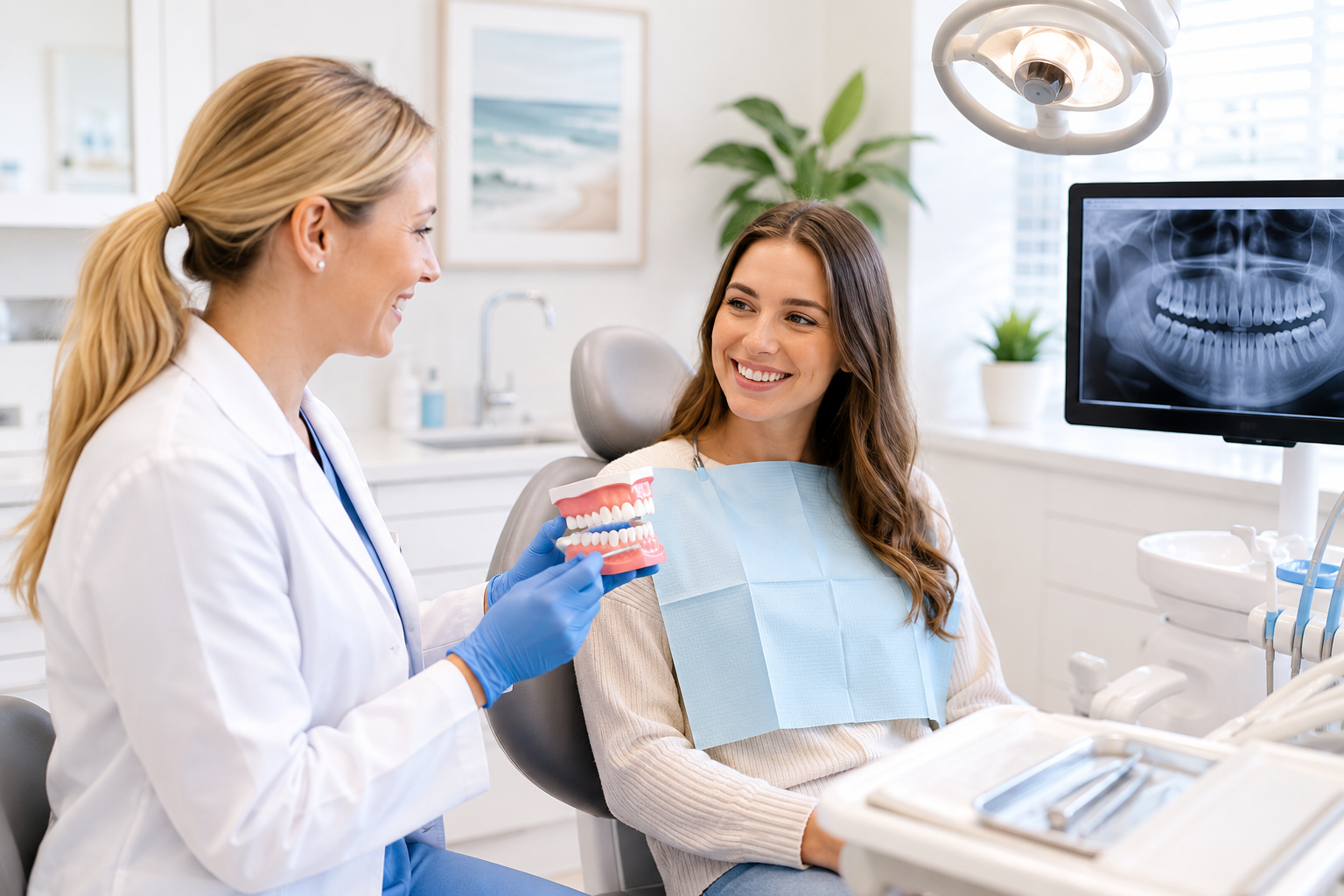
Costs vary by treatment complexity, provider experience, and insurance coverage. Patients should expect differences between preventive visits and procedures like implants, and costs often shift with neighborhood and clinic resources.
Common Factors Affecting Pricing
Several clear elements drive what a patient pays. Provider experience and specialization matter: a general dentist’s crown often costs less than a prosthodontist’s because specialists charge for advanced training.
Materials and lab fees also add to prices — porcelain or zirconia crowns cost more than metal-based options.
Technology and equipment influence fees; practices using digital scanners, 3D imaging, or same-day CAD/CAM crowns typically charge higher rates to cover capital costs.
Insurance reduces out-of-pocket for covered services but varies by network and annual maximums. Patients should check deductibles, co-pays, and waiting periods.
Payment options and sliding-scale clinics can lower immediate cost. Many DFW providers offer payment plans, in-office financing, or partner with third-party lenders to spread expenses.
Differences Between Routine and Specialized Treatments
Routine care remains the most affordable category. Exam, cleaning, and x-rays generally follow set fee schedules and often fall within preventive coverage, making co-pays modest or zero with many plans.
Specialized treatments like root canals, orthodontics, implants, and full-mouth restorations are materially and labor intensive. These involve multiple appointments, specialized labs, and sometimes anesthesia or sedation, which raises the total bill.
Complex cases—severe decay, bone grafts, or full-arch implants—require more chair time and interdisciplinary teams, increasing both professional and facility charges.
Patients should request itemized estimates, compare proposed materials (e.g., implant systems, ceramic types), and ask which steps could be staged to spread cost over time.
How Location Influences Expenses
Within DFW, costs fluctuate between urban centers and outlying suburbs. Practices in downtown Dallas or high-rent areas like Uptown may set higher fees to cover overhead, while clinics in suburbs like Mesquite or Grand Prairie can be more economical.
Neighborhood demand affects pricing; areas with more specialists or boutique practices typically have higher average charges. Conversely, community health centers in lower-income ZIP codes often offer discounted rates or income-based fees.
Travel time and convenience also factor for patients—choosing a slightly farther clinic can yield savings, but balance that against time and follow-up needs.
Patients should compare prices across multiple practices and verify which labs and materials the office uses to ensure cost differences reflect quality, not just location.
Affordable Options for Essential Treatments
This section highlights practical options for routine care, restorative work, and children’s dentistry that keep quality high while lowering costs. It focuses on specific providers, payment tools, and treatment choices common in the DFW area.
Low-Cost Preventive Services
Many community clinics and dental schools in DFW offer reduced-price cleanings, exams, and X-rays. For example, North Texas dental schools often run student clinics where licensed faculty supervise care; fees can be 30–60% below typical private-practice rates. Community health centers such as Mosaic Family Health and Parkland Community Health Centers provide sliding-scale pricing based on income and usually accept Medicaid and CHIP.
Employer-based dental plans and local dental discount plans (membership clubs) are another low-cost route. These plans often cover two cleanings per year and routine X-rays for a fixed annual fee of $100–$300, with predictable co-pays for procedures. Patients should confirm included services, waiting periods, and any provider network restrictions before enrolling.
Budget-Friendly Fillings and Crowns
For small cavities, composite (tooth-colored) fillings remain cost-effective and durable; typical DFW prices range from $120–$300 per surface in community clinics. Silver amalgam fillings cost less but are less commonly used for visible teeth. Dental schools and county clinics offer fillings at lower fees — ask about supervised student care for savings.
When a crown is needed, consider porcelain-fused-to-metal (PFM) or zirconia options depending on budget and aesthetics. PFM crowns generally cost less than full-contour zirconia but provide strong durability for molars; DFW community clinics and dental labs offering discounted rates can reduce crown prices by 20–40%. Ask clinics about in-house labs or partnering labs, payment plans, and the possibility of temporary crowns to spread costs.
Pediatric Care for Families
DFW pediatric dental programs prioritize preventive visits, fluoride varnish, and sealants — often at reduced cost through school-based clinics and nonprofit events. Sealants applied to molars can prevent decay for years; costs at community programs typically run $25–$50 per tooth versus $50–$100 in private practice. Medicaid and CHIP cover most preventive pediatric services in Texas, including routine exams and fluoride treatments.
Look for pediatric dentists offering bundled “well-child” packages that include exam, X-rays, cleaning, fluoride, and sealants for a single fee. Many practices also provide flexible scheduling, evening appointments, and payment plans for restorative needs. Parents should verify vaccine and consent requirements for school-based programs and bring insurance or income documentation to access sliding-scale fees.
Exploring Payment Solutions
Patients can often find multiple ways to manage costs, including short-term loans, in-house plans, insurance coordination, and nonprofit clinics. Each option balances predictability, monthly cost, and speed of access differently.
Flexible Financing Plans
Many DFW dental practices partner with third-party lenders like CareCredit, LendingClub Patient Solutions, and Synchrony Health. These plans typically offer 6–24 month promotional no-interest terms for procedures over $200, and longer-term low-interest options up to 60 months for larger treatments such as implants or crowns.
Patients should check required credit scores, typical APR after promotional periods, and whether payments begin immediately. Some practices also offer in-house installment plans with fixed monthly payments and no hard credit check, which can be easier for patients with limited credit history.
Ask the office for an itemized treatment estimate, sample payment schedule, and total cost including interest or fees. That lets patients compare monthly payment amounts directly and choose the plan that minimizes out-of-pocket strain.
Insurance and Savings Programs
Delta Dental, MetLife, and Cigna have broad networks in DFW, but plan benefits vary by procedure and dentist tier. Preventive services like cleanings and X-rays are usually covered at 80–100%, while crowns, root canals, and implants often have 50–80% coverage after waiting periods or annual maximums.
Patients should obtain a pre-treatment estimate from both the dentist and insurer. Confirm annual maximums, deductibles, frequency limits (e.g., two cleanings per year), and any required prior authorizations.
For uninsured patients, many offices sell in-house membership plans that cover biannual exams, routine cleanings, and X-rays for a flat annual fee. These plans typically reduce restorative fees for members and remove waiting periods common in commercial policies.
Discounted Community Clinics
DFW hosts several sliding-scale and nonprofit dental clinics such as Metrocrest Services, JPS Community Health with dental programs, and county-run dental centers that offer reduced fees based on income and household size. Eligibility usually requires proof of residence in the county and income documentation like pay stubs or a tax return.
These clinics frequently prioritize urgent care, extractions, and basic restorative work; advanced services may be referred to partner specialists. Wait times can be longer, so patients should call ahead to learn appointment availability, required paperwork, and whether evening or weekend clinics operate.
For short-term needs, look for dental schools in the region offering reduced-cost care by supervised students—treatment is thorough and priced lower, though visits take longer due to training.
Quality and Safety on a Budget
Affordable dental options in DFW can still meet strict hygiene, clinical, and provider standards without cutting corners on patient safety or comfort. Patients should expect clear infection-control protocols, modern equipment, and transparent treatment plans that match the price.
Standards of Care at Lower Costs
Lower fees often reflect streamlined services, not lower quality. Clinics that keep prices down typically use standardized treatment pathways: routine exams, digital X-rays, and basic restorative work like fillings and crowns with predictable materials and lab partners. These practices reduce overhead by optimizing scheduling and using efficient supply chains, which helps pass savings to patients.
Patients should confirm specifics: whether digital X-rays are used, which materials (amalgam, composite, zirconia) are offered for restorations, and if the practice provides written treatment plans with itemized pricing. Ask about sterilization routines, single-use items, and how follow-up or complications are handled. Transparent warranties or limited guarantees for work performed indicate confidence in outcomes even at reduced prices.
Licensed Providers and Accreditation
Licensed dentists and hygienists remain the backbone of safe affordable care. Verify state licensure through the Texas State Board of Dental Examiners and check for additional credentials such as CPR certification, continuing education in infection control, or memberships in professional groups like the ADA or TDA.
Accreditation and on-site credentials matter. Look for clinics that display license numbers, offer staff bios with education and training, and post clear patient rights and privacy practices. Federally funded community health centers and dental schools in DFW often provide low-cost care under licensed supervision; students perform treatment under oversight from faculty, which combines affordability with accredited supervision.
Modern Technologies Making Care Affordable
New tools reduce treatment time, cut costs, and improve outcomes by detecting problems earlier and delivering care more precisely. Patients see lower fees through fewer visits, less invasive procedures, and better long-term results.
Digital X-rays and Diagnostics
Digital radiography uses sensors instead of film to produce images instantly, reducing appointment time and repeat exposures. It cuts radiation by up to 80–90% compared with traditional film, which lowers health risk and makes routine imaging safer for all ages.
Images appear on-screen immediately, letting the dentist explain findings with zoom and contrast tools. That clarity helps detect cavities, bone loss, and hidden infections earlier, which often turns a complex, expensive procedure into a simpler, less costly one.
Many DFW practices integrate intraoral cameras and 3D cone-beam CT (CBCT) for targeted cases. Intraoral cameras document tooth surfaces for precise treatment planning and insurance claims, while CBCT maps anatomy for implants and surgery, reducing surprises and extra visits.
Innovative Treatment Techniques
Minimally invasive techniques preserve more tooth structure and typically require less chair time. Examples include air-abrasion for small cavities, laser-assisted gum procedures, and bonded composite restorations that replace traditional crowns in select cases, lowering material and lab costs.
Same-day CAD/CAM restorations (CEREC and similar systems) let labs mill crowns, inlays, and onlays onsite. Patients avoid temporary restorations and multiple appointments; practices save on lab fees, and those savings often pass to the patient through bundled or reduced pricing.
Preventive-focused workflows—like sealants, fluoride varnishes, and tailored hygiene intervals—reduce the need for expensive restorative work later. Clear treatment sequencing and digital records also streamline billing and insurance coordination, cutting administrative overhead that otherwise increases patient costs.
Tips for Preventing Expensive Dental Issues
Good daily habits keep small problems from becoming big, costly treatments. Brushing twice a day for two minutes and flossing once daily remove plaque that causes cavities and gum disease.
Regular checkups catch issues early when treatment is simpler and cheaper. Most dental offices recommend a cleaning and exam every six months; those with higher risk may need more frequent visits.
Limit sugary and acidic foods and drinks to protect enamel and reduce decay. Drinking water after meals helps rinse acids and food particles away.
Use fluoride toothpaste and consider a fluoride rinse if a dentist recommends it. Fluoride strengthens enamel and lowers the chance of needing fillings.
Wear a nightguard if grinding teeth is a problem; custom guards prevent wear that leads to costly restorations. Athletes should use a protective mouthguard during contact sports to avoid fractures.
Address minor symptoms promptly—sensitivity, persistent bad breath, or bleeding gums. Early treatment for these issues is usually less invasive and less expensive.
Discuss preventive options with a dentist, such as sealants for molars or professional fluoride treatments. These measures are quick, affordable, and effective at reducing future treatment needs.
Create a budget-friendly dental plan: prioritize preventive visits, use in-network providers, and ask about payment plans. This approach helps manage costs and maintain long-term oral health.
How to Choose the Right Dentist in DFW
They should start by checking credentials and experience. Confirm state licensure, look for board certifications, and note years treating common issues like cavities, crowns, or root canals.
Patients benefit from reading reviews and asking for referrals. Look for consistent praise about gentle care, clear explanations, and punctual appointments.
Consider location, office hours, and insurance or payment options. Choose a practice that accepts your plan or offers sliding-scale fees, payment plans, or membership plans to keep care affordable.
Evaluate the office environment and staff attitude. A friendly front desk, clean facility, and staff who explain procedures calmly indicate a patient-focused practice.
Ask about technology and treatment approaches. Modern imaging, intraoral cameras, and minimally invasive techniques improve diagnosis and comfort.
Confirm emergency availability and continuity of care. Find a dentist who offers same-day slots or an after-hours contact for urgent problems.
Use this quick checklist before booking:
- Verify license and reviews
- Confirm insurance/payment options
- Tour the office or ask about comfort measures
- Ask about technology and emergency access
They should call or schedule a consultation to discuss concerns and get a feel for the practice. Encourage a brief meet-and-greet to ensure comfort before committing to treatment.
Taking the Next Step Toward Your Healthiest Smile
They can start by scheduling a screening at a local DFW clinic that offers sliding-scale fees or community dental nights. Many practices post cash-pay rates and financing options online, so they should compare costs and services before booking.
Patients benefit from bringing a short list of concerns and any recent X-rays to their first visit. This helps the dentist prioritize care and create a realistic treatment plan that balances budget and health needs.
If insurance is limited, they can ask about payment plans, dental discount programs, or bundled care packages for common services like cleanings and fillings. Clinics that partner with community organizations sometimes provide vouchers or reduced-fee procedures for qualifying residents.
They should prioritize preventive steps they can afford now: a professional cleaning, targeted fluoride treatment, and a simple at-home routine. Small actions often prevent more costly treatments later.
For those anxious about cost and comfort, many DFW practices offer sedation options and patient advocates to explain charges clearly. Staff can also walk them through charity resources or county programs that might apply.
Call to schedule a consult, request a cost estimate, or ask about evening and weekend hours to fit care into a busy life. A short conversation often reveals practical, affordable paths to better oral health.
Frequently Asked Questions
This section answers specific, practical questions about low-cost dental care across the Dallas–Fort Worth area, including where to go, which programs may cover treatment, dental-school care, typical extraction costs, 24-hour emergency options, and the documentation needed for discounts. Each answer lists concrete places, steps, and eligibility details to help readers act quickly.
Where can I find low-cost dental clinics in the Dallas–Fort Worth area if I don’t have insurance?
North Texas Community Health Centers and Metrocrest Services offer sliding-fee dental care based on income.
Community Dental Care (multiple DFW locations) and Parkland Dental Clinics provide reduced-rate services and payment plans.
Look up Federally Qualified Health Centers (FQHCs) at the Texas Health Resources or HRSA websites to find local clinics by ZIP code.
Call ahead to confirm dental services, current fees, and whether they accept walk-ins or require appointments.
Are there free or reduced-cost dental clinics through Baylor, Parkland, or other local programs—and how do I qualify?
Parkland Health runs charity care and financial assistance for eligible Dallas County residents; eligibility depends on income and residency.
Baylor College of Dentistry operates outreach programs occasionally partnered with community clinics; they post eligibility details for each program online.
Many charity or reduced-cost programs require proof of Dallas or Tarrant County residency, a valid photo ID, and income verification (pay stubs or a benefits letter).
Contact each program’s patient financial services to get current application forms and appointment availability.
Can dental schools in the area provide safe, supervised care at a lower price, and how do I become a patient?
Yes—dental students provide supervised care at Baylor College of Dentistry and Texas A&M Baylor College of Dentistry-affiliated clinics at reduced fees.
All work is overseen by licensed faculty; complex cases receive faculty involvement or referral.
To become a patient, call the school clinic’s patient services to schedule an exam and complete a registration packet.
Expect longer appointment times and pre-visit paperwork; bring ID and any prior dental records.
How much does a basic tooth extraction usually cost in Dallas, and what affects the final price?
A simple non-surgical extraction in DFW typically ranges from $100 to $300 without insurance.
Factors that change the price include tooth position, need for X-rays, local anesthesia, and whether the tooth is impacted.
Surgical extractions or wisdom tooth removals commonly cost $300 to $800 or more.
Ask for an itemized estimate that lists X-rays, anesthesia, and follow-up care to compare quotes accurately.
What are my options for a 24-hour emergency dentist in the area that won’t break the bank?
Several urgent care dental centers in DFW offer extended hours and lower-cost emergency visits than hospital ERs—examples include North Texas Dental Emergency and DentalOne Emergency Clinics.
Some regular dental offices provide on-call emergency services; call your local clinic to ask about weekend or after-hours rates.
For true emergencies, Parkland ER provides emergency dental triage for severe pain, trauma, or infection; costs may be higher than urgent dental clinics.
If cost is a concern, call clinics ahead to request an estimate and available payment plans.
If I’m low-income, what paperwork or proof do I typically need to apply for discounted dental services near me?
Clinics usually request a government-issued photo ID, proof of address (utility bill or lease), and income verification (recent pay stubs, unemployment letter, or benefits statement).
Some sites accept Medicaid, CHIP, or proof of enrollment in other public assistance programs as eligibility documentation.
Nonprofits may also accept a signed statement of household size and income if formal documents are unavailable.
Call the clinic first to confirm exactly which documents they require and whether they offer same-day eligibility screening.

Abby Newhouse
Recent Articles
07/23/2026
Benefits of Dental Implants in DFW, TX: A Patient-Friendly Guide
Missing teeth can affect much more than a smile. They can make it harder to chew favorite foods, change the way a person speaks, and even influence confidence in social...
07/15/2026
Importance of Regular Dental Checkups Dfw TX: How Routine Visits Protect Your Smile and Comfort
You take better care of your overall health when you keep up with regular dental checkups, and that care matters especially in DFW where convenient, modern practices make prevention easy...
06/23/2026
Family Dentist DFW TX — Gentle, Expert Care for Every Age and Smile
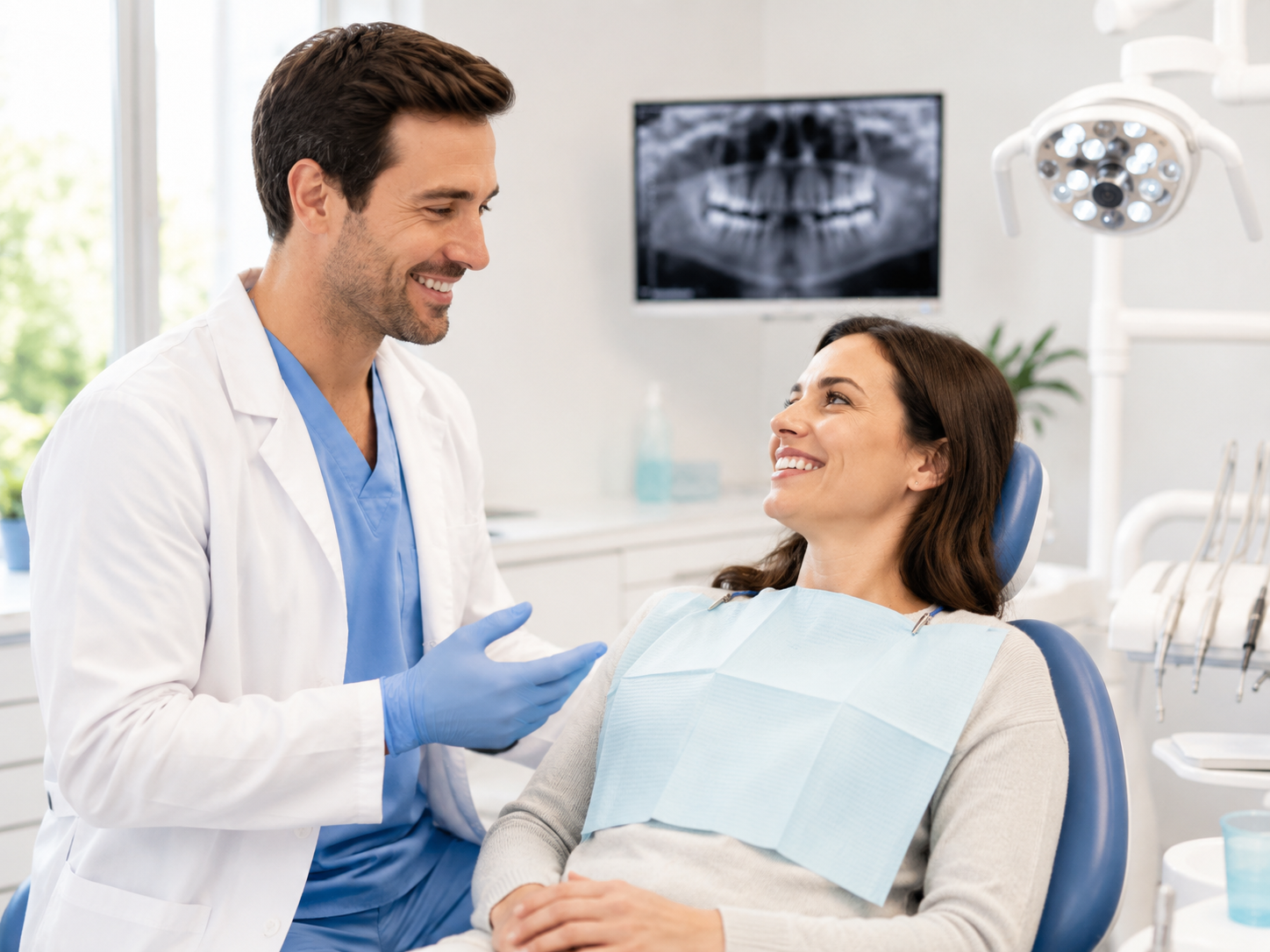
You will find practical, family-focused dental care across DFW that balances gentle preventive care with modern restorative options tailored to every age. A trusted family dentist in DFW offers routine...
05/16/2026
Wisdom Teeth Removal Dfw TX: Gentle, Expert Care and Recovery Guidance
Thinking about wisdom teeth removal in DFW, TX can feel overwhelming, but clear options and friendly local care make the path straightforward. If wisdom teeth are causing pain, crowding, recurrent...

05/07/2026
Oral Surgery Practice Dfw TX: Caring, Comfortable Solutions for Your Smile
If someone in DFW, TX, needs oral surgery, finding a trusted practice that combines skill with patient comfort is key. Oral surgery covers a range of treatments, from wisdom tooth...
04/21/2026
Wisdom Teeth Removal Dfw TX: Gentle Care and Modern Solutions for Your Comfort
Wisdom teeth removal is a common dental procedure many in the DFW area face, often during late teens or early adulthood. It’s important to understand that removing wisdom teeth can...